6 min read
On this page
The short answer
On a junk car, the catalytic converter is usually the most valuable single part, and it is worth the most when it is still bolted under the car. A buyer prices the rest of the car mostly by weight. The converter is priced separately, by the precious metal inside it.
That is why a car without one gets a lower offer, and why cutting it off to sell separately is rarely worth it in Nevada. The state limits who can buy a removed converter, and the paperwork a seller needs is more than most junk cars have.
What is inside, and why it has value
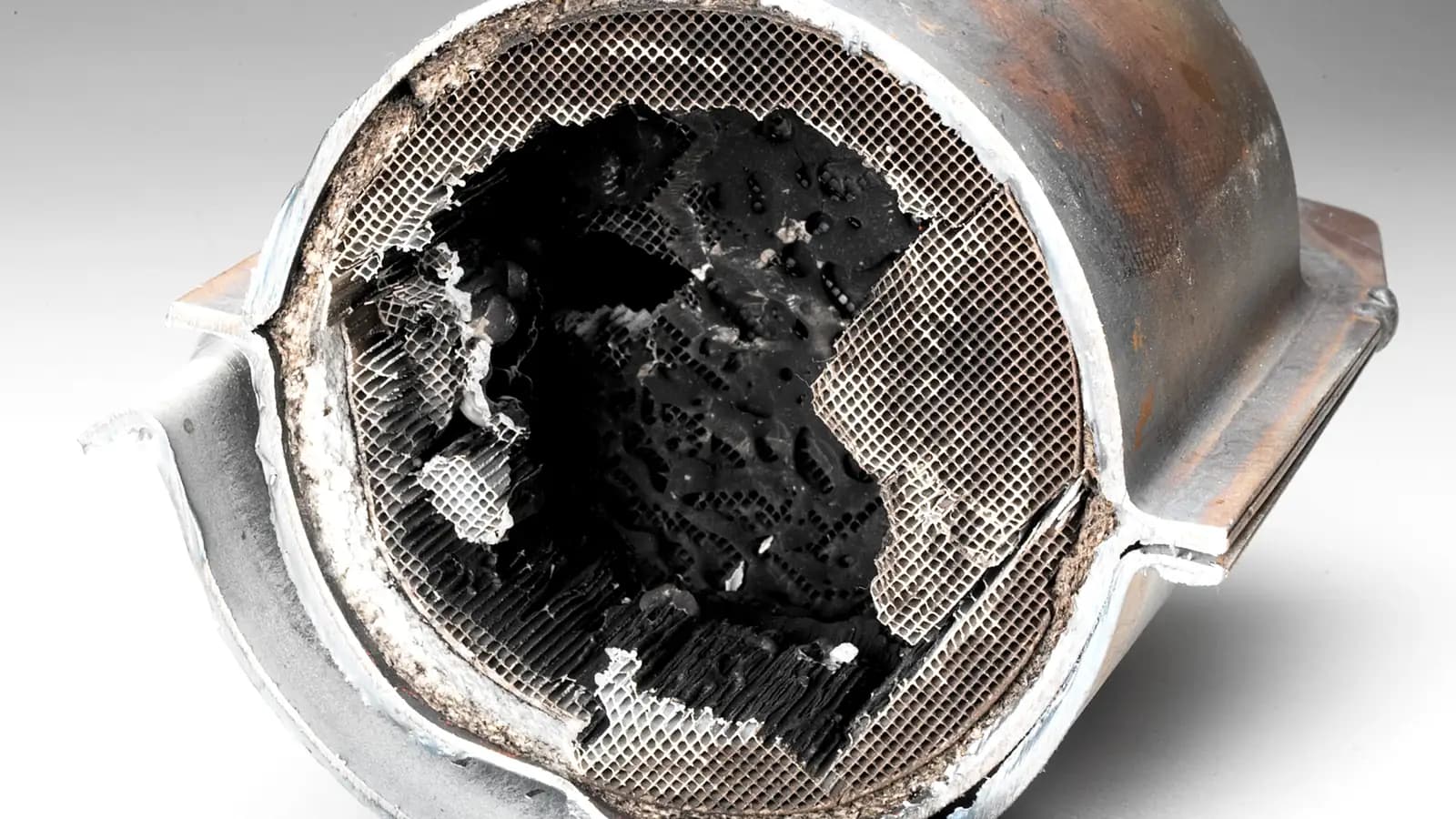
The steel case is ordinary metal. The value is in the core, a honeycomb coated with platinum-group metals. According to the U.S. Geological Survey, palladium, platinum and rhodium are used in catalytic converters to treat exhaust, and recyclers recover those metals.
Because the amount of metal differs from one converter to the next, converters are not priced by weight. The scrap market lists them by vehicle type, and the same make can bring very different prices across model years.
What it adds to a junk car
Nobody can give you an honest flat number, and the public figures show why. Price lists for loose converters disagree widely:
- RRCats, on October 3, 2026, showed a national average of $103.30 each, with ranges by converter type that run from $11 to $770.
- iScrap App showed a national average of $75.93 the same week.
These are national figures for converters sold loose. They are not Nevada quotes, and they are not what a converter adds to a complete car. On a whole car the converter is one of the parts that make up a "complete car", along with the engine, transmission, battery, radiator, wheels and wiring harness, which is how scrap yards describe it.
The practical point: if your car still has its converter, a buyer who asks about it is pricing it in. If it is missing, the offer drops. How much depends on the car, which is why a quote built from your year, make and model beats any price list.
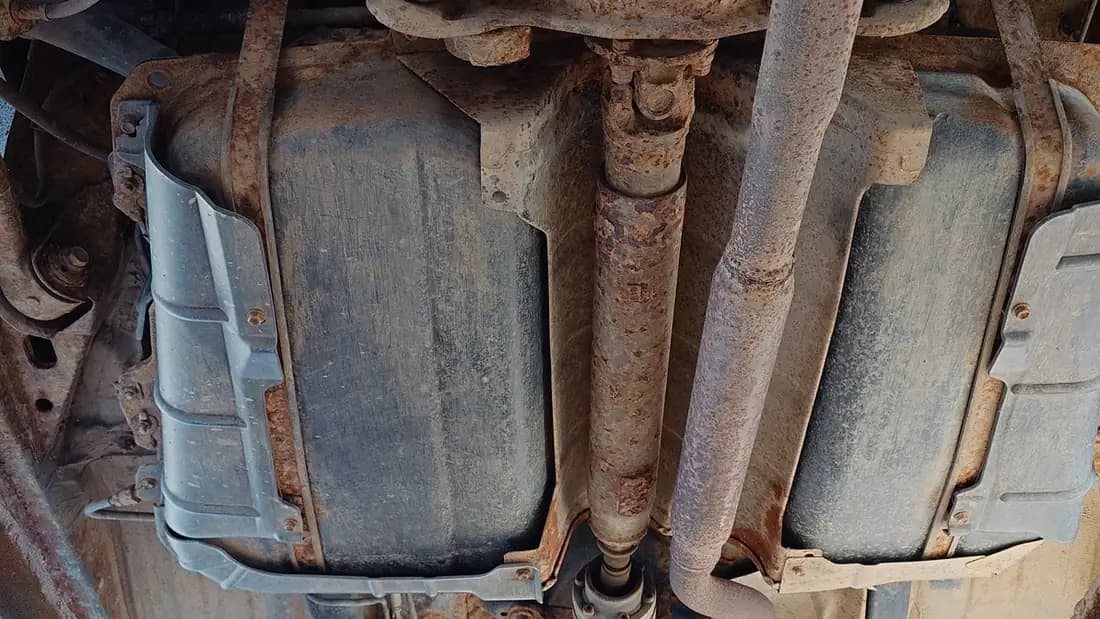
Why not cut it off and sell it separately?
Because in Nevada, a converter that has been removed from a car is a regulated part. Nevada's law defines a used catalytic converter as one that has been installed on a vehicle and then removed. The rules are in two places:
- Who can buy one. NRS 205.27417 says a person shall not buy a used catalytic converter unless the seller is a licensed automobile wrecker, a licensed scrap metal processor with a fixed place of business, a licensed vehicle manufacturer, distributor, dealer or rebuilder, another business that may reasonably generate, possess or sell them, or a person with documentation of ownership. NRS 647.093 sets the same limit on scrap metal processors.
- What the paperwork has to show. A private seller's documentation means a title or registration naming them as owner of the vehicle the converter came from, with a VIN that matches the VIN permanently marked on the converter.
- What happens if it is wrong. NRS 205.27415 makes it an offense to possess two or more used converters without being one of those businesses or having that documentation, and the penalties for these offenses are felonies, rising with the number of converters.
This is a description of the statute, not legal advice. The point for a seller is simple: a converter that stays on the car is part of the car, and one that comes off is not.
What about the advice to cut it off if it is worth over $200?
You will see this on car forums: look up what the converter is worth, and if it is more than about $200, cut it off and sell it separately. The arithmetic behind it is the converter's price minus however much the car's offer drops without it. That can look good on paper. In Nevada it leaves out the rest:
- You need a buyer who is allowed to buy it, from the list above, or ownership documents whose VIN matches the one permanently marked on the converter.
- The buyer has to log you. A scrap metal processor records your ID, photo and fingerprint, and pays by check or electronic transfer at $150 or more.
- The car's offer drops, and some yards won't take a car without one. Then you have a car that is harder to sell.
It can come out ahead only if all three line up. The safe version is to ask the buyer of your car for two numbers, the offer with the converter on and the offer without, before you touch it.
What a yard deducts when it's missing
A missing converter is the most common deduction on a junk car, because the yard has to make up for a part that carries a lot of its value. The size of the deduction depends on the car.
Yards differ on how they handle it. Greenway Auto Recycling puts it this way: some scrap yards may need the converter to be present, while others will accept the car but lower the price, and how much lower depends on the junkyard and the scrap market. So ask before you book, and tell any buyer honestly whether it is still there.
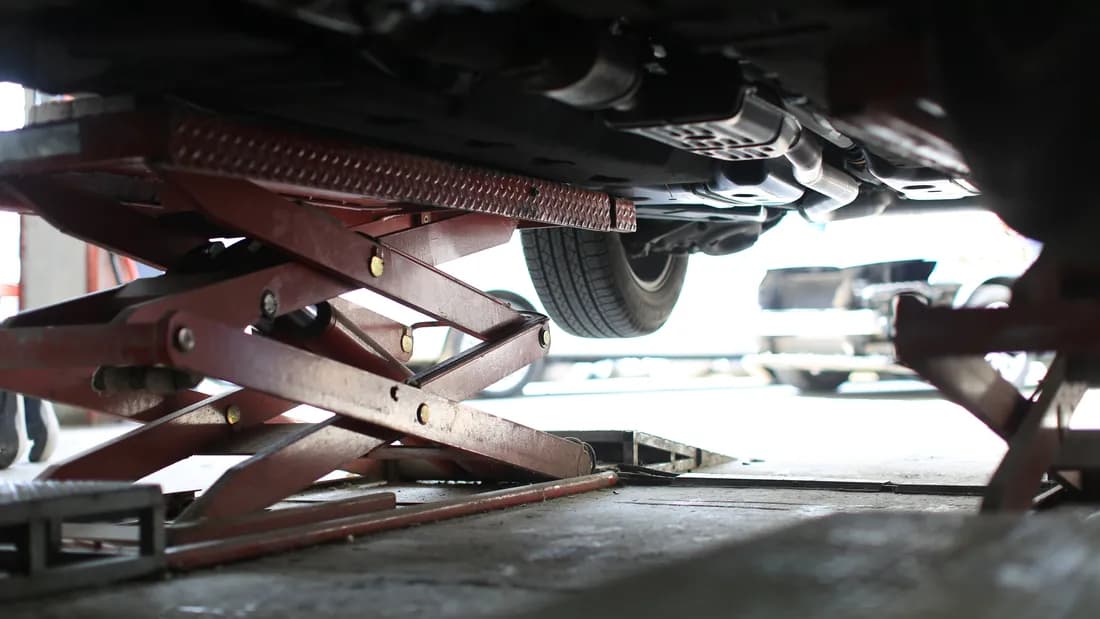
How to check that yours is still there
You do not need tools.
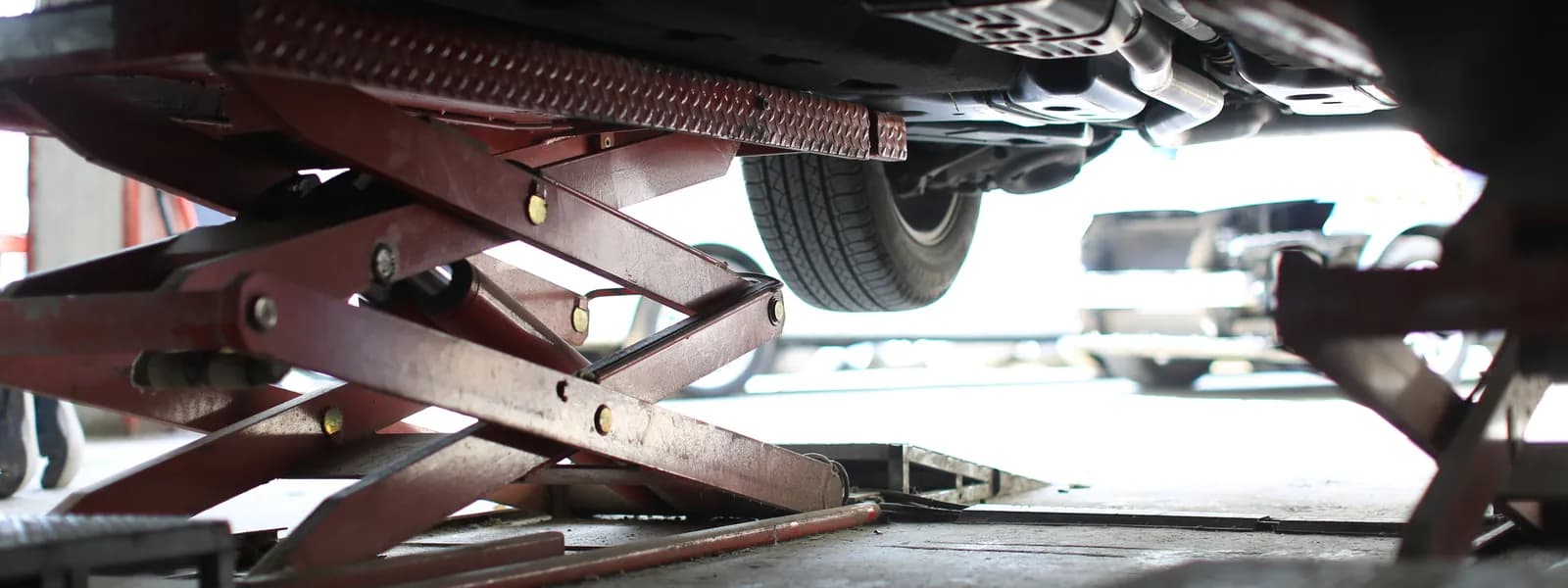
- Look under the car along the exhaust line, behind the engine. The converter is a canister in the pipe, wider than the pipe either side of it.
- Check for fresh cuts or loose clamps. Bright metal and a gap in the pipe are the signs of a theft.
- Listen when it starts. A car whose converter has been taken is loud, like a damaged muffler.
- If you can't tell, say so when you ask for a quote. An honest "I'm not sure" is better than a wrong answer that changes the offer at pickup.
Get a quote that accounts for it
When you request a quote, we ask whether the converter is still on the car. Answer it honestly and the number accounts for it. You see the offer before anyone comes out, the tow is free, and you're paid at pickup. You choose a pickup time from the windows offered when you accept. We buy only cars you fully own, and how your offer is built lists what can change it.
If you are still working out what your car is worth overall, start with what decides a junk car's value and how a junkyard prices a car. For the quote itself, our cash for junk cars Las Vegas form takes about two minutes.
Common questions
- How much is a catalytic converter worth when I junk a car?
- There is no single number. Public price lists for loose converters run from about $40 to several hundred dollars each, and on October 3, 2026 RRCats showed a $103.30 average while iScrap App showed $75.93. On a whole car, the converter is part of the complete-car price, so the honest answer comes from a quote built from your car's year, make and model.
- How much do junkyards pay for catalytic converters?
- It depends on whether the converter is loose or still on the car. Loose, it is priced by its precious-metal content, and national averages on October 3, 2026 ran from $75.93 (iScrap App) to $103.30 (RRCats). On a whole car it is included in the complete-car price. In Nevada, only certain licensed buyers, or a seller with matching ownership documents, may buy a removed one.
- Some forums say to cut it off if it is worth over $200. Is that right in Nevada?
- Only if you can sell it legally and the car buyer still takes the car. Forum math compares the converter's price with the drop in the car's offer. In Nevada, the sale also needs an eligible buyer, a title or registration whose VIN matches the VIN marked on the converter, and ID, photo and fingerprint records at the processor. Ask your car buyer for both numbers first.
- Should I remove the catalytic converter before I junk my car in Nevada?
- Usually not. Once it is cut off it becomes a regulated part: Nevada limits who can buy a used catalytic converter, and a seller without ownership documents matching the converter's marked VIN can only deal with a few licensed businesses. Left on the car, it simply counts toward your offer.
- Who can legally buy a used catalytic converter in Nevada?
- Under NRS 205.27417, a licensed automobile wrecker, a licensed scrap metal processor with a fixed place of business, a licensed vehicle manufacturer, distributor, dealer or rebuilder, any other business that may reasonably generate, possess or sell them, or a person with a title or registration whose VIN matches the VIN permanently marked on the converter.
- Can I sell a car that is missing its catalytic converter?
- Many junk car buyers will take one, at a lower price, and some yards have their own policies about it, so ask before you book. If you still have the converter you removed, Nevada's rules on who may buy it apply to it separately.
- Why is a catalytic converter worth so much?
- It contains platinum-group metals. The U.S. Geological Survey notes that palladium, platinum and rhodium are used in catalytic converters to treat exhaust, and those metals are what recyclers recover.
- Is a converter priced by weight like the rest of the car?
- No. The steel in the rest of the car is priced by weight, but converters are priced by how much precious metal each one holds, which varies by make, model and year.