7 min read
On this page
The short answer
How much do junkyards pay for cars? Roughly what your car weighs, multiplied by that week's scrap rate. A yard may add a little for parts it expects to sell and take off the cost of towing. For most older cars that lands in the low hundreds of dollars.
The "average junkyard price in Las Vegas" figures you find online disagree with each other, because each one averages different cars at a different scrap rate on a different date. The method below is more useful than any of them, because you can run it on your own car.
How a junkyard prices a car
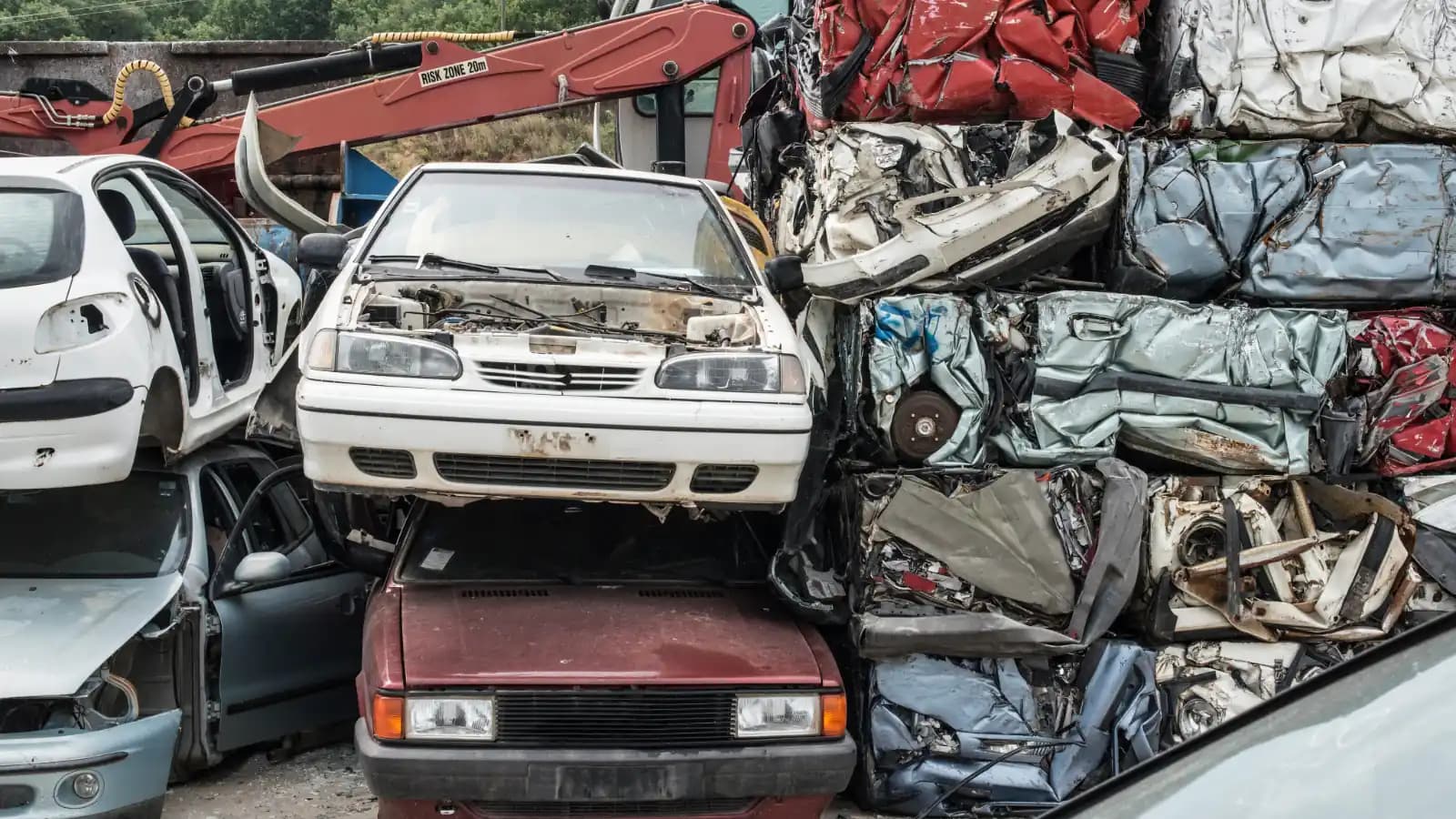
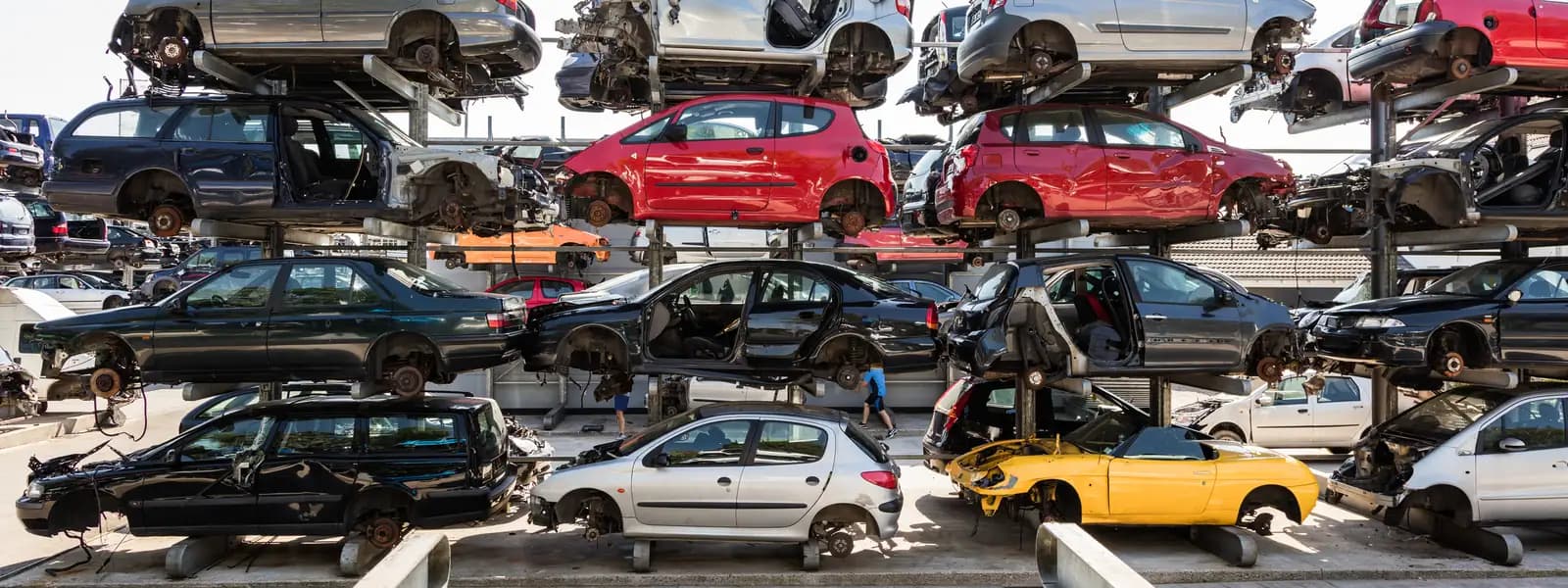
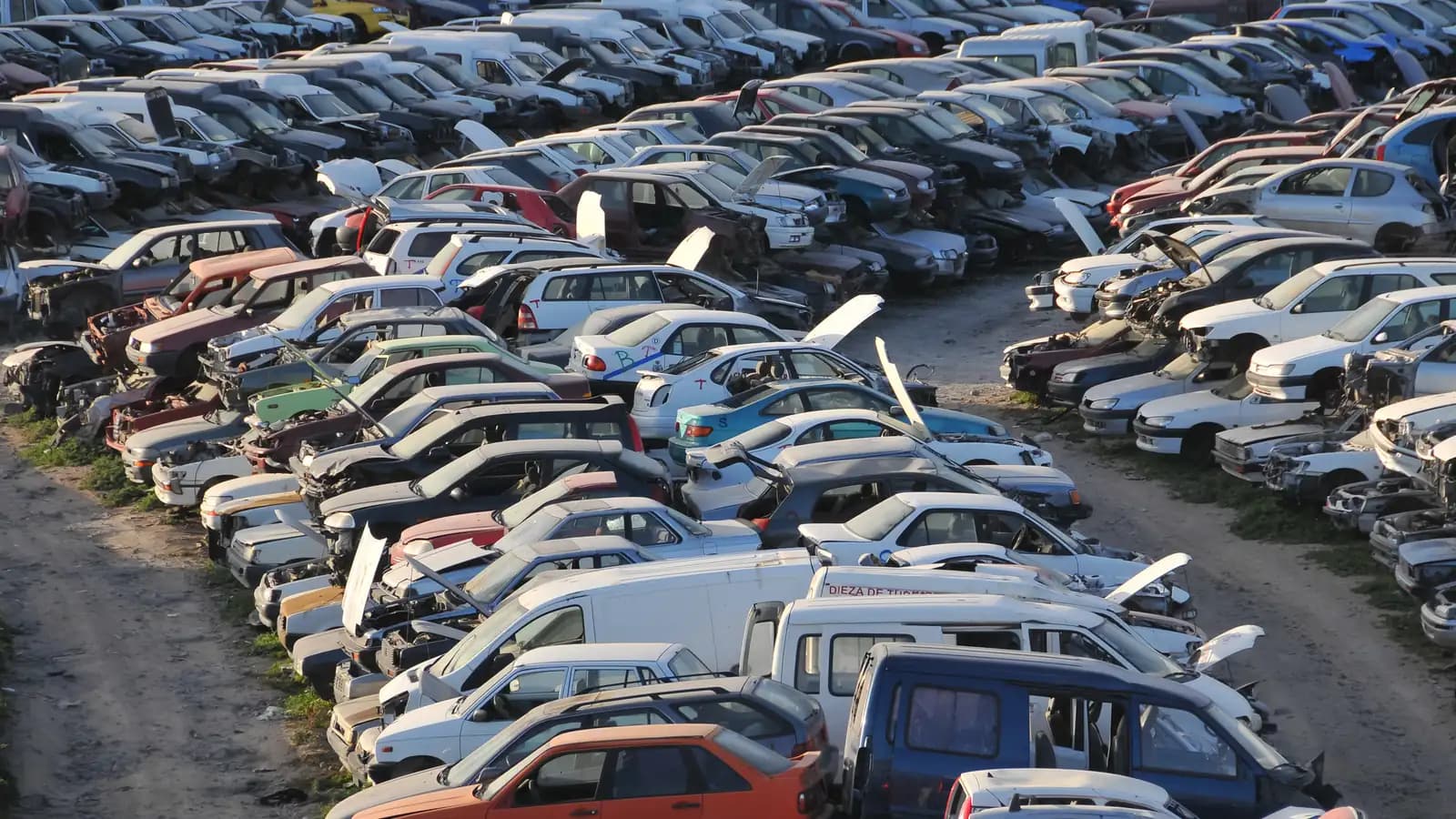
"Junkyard" covers two kinds of business in Las Vegas. A self-service parts yard, the pick-a-part kind, sells parts off the cars it buys before scrapping what is left. A scrap processor buys metal by weight. Both start their price from the same place, which is weight.
- Curb weight. This is what the car weighs empty. It is printed in the owner's manual, and the sticker inside the driver's door shows the related weight ratings.
- The rate for a complete car. Yards quote a price per ton (2,000 pounds) for a whole car with its engine, transmission, catalytic converter, battery, wheels and radiator still on it.
- Multiply. Weight in tons times the rate is the scrap floor.
There is no official Las Vegas price list, and each yard sets its own rate. As a reference point, iScrap App showed a national average of $181.26 a ton for a complete car when we checked on October 4, 2026. The yard reports behind it ran from $150 to $250 a ton since June.
At that national average, the math looks like this:
- A 3,000-pound compact is 1.5 tons, or about $272.
- A 4,000-pound sedan or small SUV is 2 tons, or about $363.
- A 5,000-pound pickup is 2.5 tons, or about $453.
These are illustrations of the method, not Las Vegas quotes. The rate also moves. The U.S. Bureau of Labor Statistics publishes a monthly price index for iron and steel scrap, and a yard's rate follows that market, so a number you were given last month may not hold today.
Junkyards in Las Vegas that buy cars
"Junkyard" in the valley can mean any of four businesses, and they don't pay the same way.
- Self-service parts yards. The pick-a-part kind, where customers pull their own parts. They buy complete cars to stock the yard, so a common model with parts in demand suits them.
- Auto wreckers and salvage yards. They dismantle cars themselves and sell tested parts. Late-model wrecks with good drivetrains suit them.
- Scrap metal processors. They buy by weight and don't care what the car is.
- Junk car buyers with a tow truck. Some are middlemen who collect your car and sell it on to one of the three above. When that is the case, their price has to leave room for it.
Many of these yards are in North Las Vegas and Henderson. Whichever you call, the license, title and payment rules further down apply to all of them.
Why a junkyard often pays less than other buyers
A weight-based price leaves out most of what makes one car worth more than another.
- Trim, options and mileage don't count. A loaded model and a base model weigh nearly the same.
- Running or not barely matters. A working engine weighs what a seized one does.
- Parts demand is only partly counted. A self-service parts yard earns from parts as well as metal, but what it pays you is still anchored to scrap.
- Towing may come out of your price. Some yards include the tow and some deduct it.
- The price is set on the day. If the scrap rate drops between your call and the scale, the number can drop with it.
None of this makes a junkyard a bad choice. For a car that really is at the end of its life, weight is most of its value and a yard is a direct route. The gap shows up when the car still has value as a car. For how those other factors work, see what decides a junk car's value.
What a junkyard deducts for
The per-ton rate assumes a complete car. Yards pay a lower rate, or take money off, when things are missing:
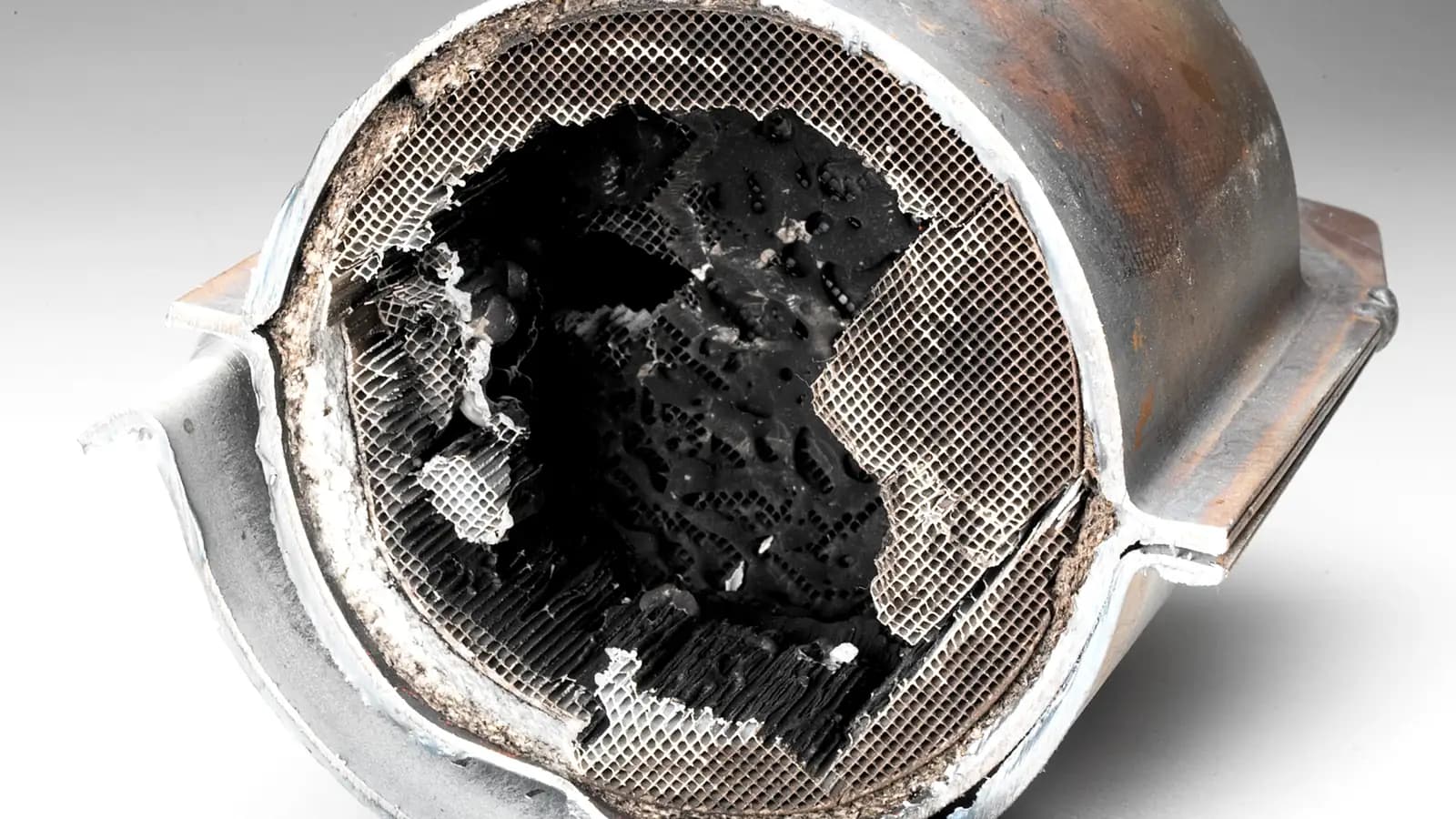
- The catalytic converter. It is usually the most valuable single part, and a missing one is the most common deduction.
- The engine or transmission. These are a large share of the car's weight and its resale parts.
- Wheels and tires. A car that can't roll is also harder to load.
- Parts you already sold. Stripping a car before scrapping it makes it an incomplete car. The Nevada DMV's guide for wreckers has the yard get a written statement from the owner listing the parts already removed.
Who can legally scrap your car in Nevada
Not everyone with a tow truck can. Under NRS 487.050, it is unlawful to dismantle, scrap, process or wreck a vehicle without a license from the DMV. The DMV calls these businesses automobile wreckers. To get the license, a yard needs a $50,000 bond and an established place of business, with an enclosed building on at least half an acre behind a screened fence.
You can check a yard before you sell. The DMV's business licensing page publishes lists of active licenses by business type, including wreckers. A buyer who isn't a licensed wrecker can still buy your car, but they can't legally scrap it themselves.
Title and paperwork at the yard
The DMV's guide lists how a wrecker may acquire a vehicle, and for a sale by the owner it is "by direct purchase, with the owner providing title documents". So bring the title, signed, and your ID.
- The yard handles the title after that. Under NRS 487.100, a wrecker that buys a vehicle forwards its title and registration to the DMV.
- You keep the plates. Put them on another vehicle or surrender them to the DMV.
- Report the sale. Nevada gives you 5 days to file a vehicle resale notification, which shows the car is no longer yours.
- Get a receipt. It should carry the yard's name, the date, the vehicle and the price.
If your title is lost or was never in your name, sort that out first. Our guide to selling a car without a title in Las Vegas covers each case.
How a yard can pay you
Nevada regulates how scrap metal is paid for. Under NRS 647.098, a scrap metal processor must pay by check or electronic transfer for any purchase of $150 or more. Nevada's definition of scrap metal names catalytic converters, so this covers a converter sold loose.
For a whole car, ask the yard how it pays before the truck arrives. A check from a licensed business with a receipt is normal. Pressure to take less in exchange for no paperwork is a warning sign.
Five questions to ask before you agree
- Is towing included, or does it come off the price?
- Is this number final, or an estimate until the car is weighed?
- What is your rate per ton today for a complete car?
- Are you a DMV-licensed wrecker, and under what business name?
- What paperwork will I get at pickup?
A yard that answers all five plainly is worth dealing with. One that won't name a rate or a license is telling you something.
A junkyard price next to a firm offer
A junkyard's number is a metal price set on the day. Our offer is built from your car's year, make, model and condition, and you see it before anyone comes out. The tow is free and you're paid at pickup. We buy only cars that are fully owned.
These are cars we have bought, with what each seller was paid:
10 cars we bought · what the seller was handed
$700 – $5,500
- Nissan Altima SR$5,500
- Mercedes-Benz GL$4,500
- Nissan Altima$3,000
- Nissan Sentrasun-faded paint, bought as-is$2,000
- Toyota RAV4$2,000
- Hyundai Sonata$1,800
- Toyota Corolla$1,600
- Acura TSX$1,500
- Jeep Liberty$750
- Chrysler PT Cruiserfront-end damage$700
Set those next to the weight math above. When a car is worth more than its metal, a per-ton price can't show it, and that is the reason to get a second number before you scrap one. Our cash for junk cars Las Vegas quote takes about two minutes.
Common questions
- How much will a scrap yard pay for a car per ton?
- It changes week to week and yard to yard. On October 4, 2026, iScrap App's national average for a complete car was $181.26 a ton, with individual yards reporting $150 to $250 a ton since June. That is a national figure, not a Las Vegas quote, so ask the yard for its rate on the day.
- What is the most a junkyard will pay for a car?
- The top of a junkyard's range goes to heavy, complete vehicles: a full-size pickup or SUV with its engine, transmission and catalytic converter still on it. At the national average of $181.26 a ton on October 4, 2026, a 5,000-pound pickup is about $453 in metal alone, and a yard that sells parts may add to that. A car worth much more than its weight usually belongs with a buyer who prices it as a car.
- How do junkyards determine prices?
- They start with the car's weight and that day's scrap rate per ton, add what they expect to earn from parts they can sell, and take off their costs, including towing if they collect it. Missing parts such as the catalytic converter or engine lower the number.
- Is it better to scrap or sell a car?
- Sell it if it runs, or if it is new enough that its parts and resale value are worth more than its metal. Scrap it if it is at the end of its life and its value is mostly weight. If you aren't sure which you have, get a quote built from the car's details and compare it with the weight math.
- Who pays the most for junk cars in Las Vegas?
- No single buyer does, because each kind of buyer values a different thing. A scrap yard pays for weight, a parts yard pays more for a complete car with parts it can sell, and a buyer who resells cars pays most for one that still runs or is recent. The best price comes from the kind of buyer your car suits, so get a number from more than one kind.
- How much will a junkyard pay for a running car?
- Usually not much more than for one that doesn't run. A yard that prices by weight pays for metal, and a running engine weighs the same as a dead one. A running car is often worth more to a buyer who can resell it whole than to a yard that will scrap it.
- Do I need a title to sell my car to a junkyard in Nevada?
- Expect to be asked for it. Nevada's DMV lists direct purchase with the owner providing title documents as the way a licensed wrecker buys from an owner, and under NRS 487.100 the wrecker forwards the title and registration to the DMV.
- Will a junkyard tow my car for free?
- Some do and some take the tow out of the price. Ask before you agree, and ask whether the number you were quoted is before or after towing.
- Can I sell the car to a junkyard without the catalytic converter?
- Yes, but expect less. A car missing its converter, engine or transmission is an incomplete car, and yards pay a lower rate for those. Nevada's DMV guide also has wreckers get a written statement from the owner listing the parts already removed.
- Is the price a junkyard quotes on the phone final?
- Often it is an estimate until the car is on the scale or in front of the buyer. Ask directly whether the number is final and what could change it.