
7 min read
On this page
Quick overview
The short answer
Not as the seller, unless the title is in your name. In Nevada the name on the title, not the name on the registration or the insurance, decides who can sell the car. The DMV's title page says the seller signs the title exactly as the name appears on it.
That doesn't mean you're stuck. There is a clear path for each common situation: the owner passed away, a spouse or family member owns it, there's a loan or lease, the title is lost, or you bought it and never got a title. The right path depends on why the car isn't in your name.
Who can sign the title?
Only the person (or people) named on it. The DMV adds two details that catch families out:
- "AND" on the title: if it says "person 1 AND person 2," both must sign.
- "OR" on the title: if it says "person 1 OR person 2," either one can sign alone.
Our Nevada seller's paperwork checklist walks through the whole signing sequence. On a 2011-or-newer car, the seller must also fill in the odometer reading on the title. The DMV says you must disclose the mileage even if the title says "exempt."

Which situation are you in?
Pick the one that matches. Each one has a different first step.
- The owner has passed away: go to the estate section.
- A spouse or family member owns it: signatures and who can sell.
- There's a loan or lease: lender first.
- The title is lost: duplicate title.
- You bought it and never got a title: bonded title.
- You want to resell a car you just bought: title jumping.
The owner has passed away
You can't sign for someone who has died, and you can't sell the car in your own name until the title has moved. The DMV says a transfer after an owner's death is typically handled through a family trust or probate, if either applies. If neither does, heirs can use the Affidavit for Transfer of Title for Estates Without Probate (form VP 024). The DMV adds that any loan or lien on the vehicle must be satisfied before ownership can be transferred, and that owners can designate a Transfer on Death beneficiary before they pass.
We cover the forms, the waiting period and the trust and joint-owner cases step by step in selling a deceased parent's car in Nevada.
A spouse or family member owns it
Having permission, the keys or the registration slip isn't the same as being on the title. The owner has to sign.
- Your spouse is the only name on the title: your spouse signs.
- Both of you are on the title: read the connector. AND means both sign; OR means either can.
- A divorce awarded you the car: the DMV says the decree must specifically award the vehicle to you by its VIN.
- A parent or relative who is alive: they sign. If they can't be at the sale, ask the DMV how to handle it before anything is signed, rather than relying on a power of attorney. Nevada does not accept a non-secure power of attorney for the sale of a 2011-or-newer vehicle.
Never sign another person's name on a title, even with their blessing. That's forgery, and the DMV can refuse the transfer.
There's a loan or lease on it
If a lender holds the title, the lender controls the sale. The DMV says that if there is a loan, lease or other lien, you must contact the lienholder, who orders a printed title once the lien is satisfied, or issues a lien release (form VP 186) that you submit with the title application.
The DMV also warns that subleasing and "take-over payment" arrangements are illegal. Someone else making your payments in exchange for the car doesn't change whose name is on the title. We walk through payoffs and negative equity in selling a car with a loan or lien in Nevada.
The title is lost
If the car was last titled in Nevada and there's no lien, the legal owner applies for a duplicate with form VP 012, by mail or at a DMV office. According to the DMV, the fee is $20 for a duplicate sent to a Nevada address and $35 sent out of state, and mail typically takes about two to three weeks. If the vehicle is titled in another state, you have to get the duplicate from that state.
Notice who applies: the owner on record, not the buyer. Our guide to the Nevada duplicate title covers the form step by step. If the owner can't get one, see your options for how to sell a car without a title in Las Vegas.
You bought it and never received a title
If you bought a car but didn't get a title, or you can't reach the previous owner, the DMV offers a bonded title. It's handled only by the Title Research Section in Carson City, and you must be a Nevada resident with the car in Nevada.
The short version, from the DMV's bonded title page:
- Call Title Research and complete the notarized or witnessed affidavit (VP 271).
- Have the vehicle inspected at a DMV office or by a law enforcement officer.
- The DMV calculates your bond amount. Don't buy a bond until it gives you one exact figure.
- Buy a surety bond, usually 1.5 times the vehicle's MSRP (25% for a salvage vehicle).
- Mail the package to the DMV.
The bond stays active for three years. If nobody makes a claim, the "Bonded" brand comes off and you can apply for a standard title. It's slower than a duplicate, but it replaced the old court route (a writ of mandamus) in 2017. Until it's done, here is who buys a car without a title and what they need.
Can you resell a car you haven't titled yet?
This is "title jumping": buying a car, then selling it without ever putting the title in your name. For 2011-and-newer vehicles, the DMV says multiple private-party sales, and transfers using a bill of sale plus an application for duplicate title, are not allowed. The seller must provide the buyer a paper title.
The safe path is plain: have the owner sign the title to you, put it in your name, then sell. It adds a visit to the DMV, but it's the only way the next buyer can get a clean title.
What a bill of sale does and doesn't do
A bill of sale is useful. It records the date, price and parties, and it supports your release of liability. But it doesn't transfer ownership. See the Nevada bill of sale (VP-104) for what it should say, and use it alongside the signed title, not instead of it.
What cars like yours have sold for in Las Vegas
Once the title is in the right name, it helps to know what the car is worth. These are real numbers from our own records, not "up to" prices. They show what older, damaged and non-running cars in the valley fetch right now.
30 real offers · Las Vegas valley · Oct 15–28
- 1998 Nissan SentraBoulder City · Oct 28$150
- 2010 Toyota Corolla MatrixOct 27$755
- 2001 Mitsubishi GalantOct 26$60
- 2003 Honda CivicHenderson · Oct 26$470
- 2015 BMW X1Oct 24$1,120
- 2006 Nissan AltimaOct 24$295
- 2003 Volkswagen PassatOct 23$260
- 2006 Toyota AvalonOct 23$575
- 2005 Subaru OutbackNorth Las Vegas · Oct 22$295
- 2013 Dodge JourneyOct 22$345
- 1998 Saturn SC2Oct 21$150
- 2015 BMW 335IOct 21$155
- 2007 Infiniti G35Oct 21$155
- 2014 Jeep Grand CherokeeOct 21$155
- 2014 Jeep Grand Cherokee LimitedOct 21$155
- 2011 Chevrolet CruzeOct 20$370
- 2018 Jeep RenegadeHenderson · Oct 20$1,975
- 2011 Chevrolet Cruze LTOct 20$370
- 2018 Jeep Renegade TrailhawkHenderson · Oct 20$1,975
- 2003 BMW X5Oct 19$225
- 2011 Chevrolet CruzeOct 19$635
- 2003 BMW X5 3.0iOct 19$225
- 2011 Chevrolet Cruze LTOct 19$635
- 2009 Toyota Scion TCOct 18$440
- 2009 Scion tCOct 18$440
- 2013 Dodge AvengerOct 17$295
- 2013 Dodge Avenger SEOct 17$295
- 2002 Mercedes-Benz E-ClassOct 16$155
- 2002 Mercedes-Benz E500Oct 16$155
- 2010 Nissan MaximaOct 15$285
Cars we bought and what the seller was paid at pickup. Swipe through, or tap the dots.
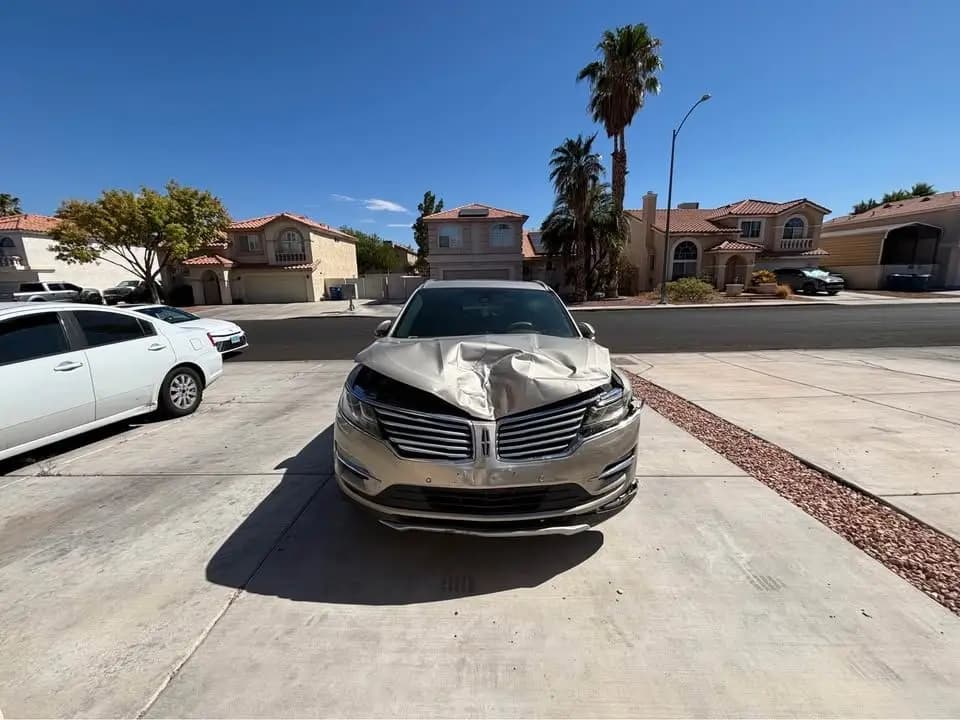 Paid $3,5002015 Lincoln MKCFront-end damage
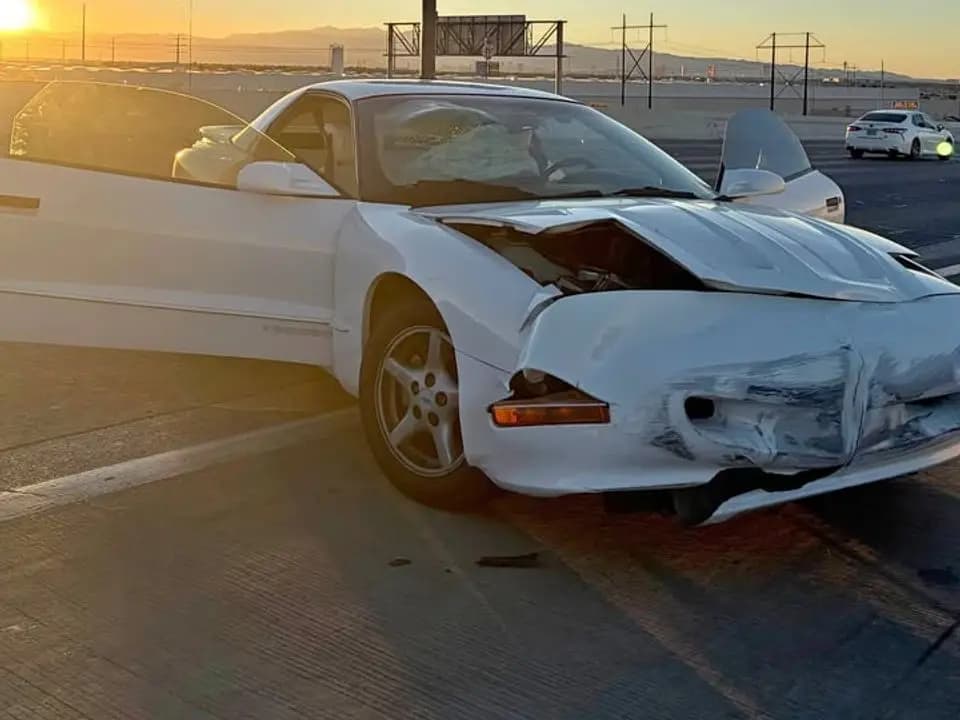 Paid $3001997 Pontiac Firebird Trans AmFront-end damage
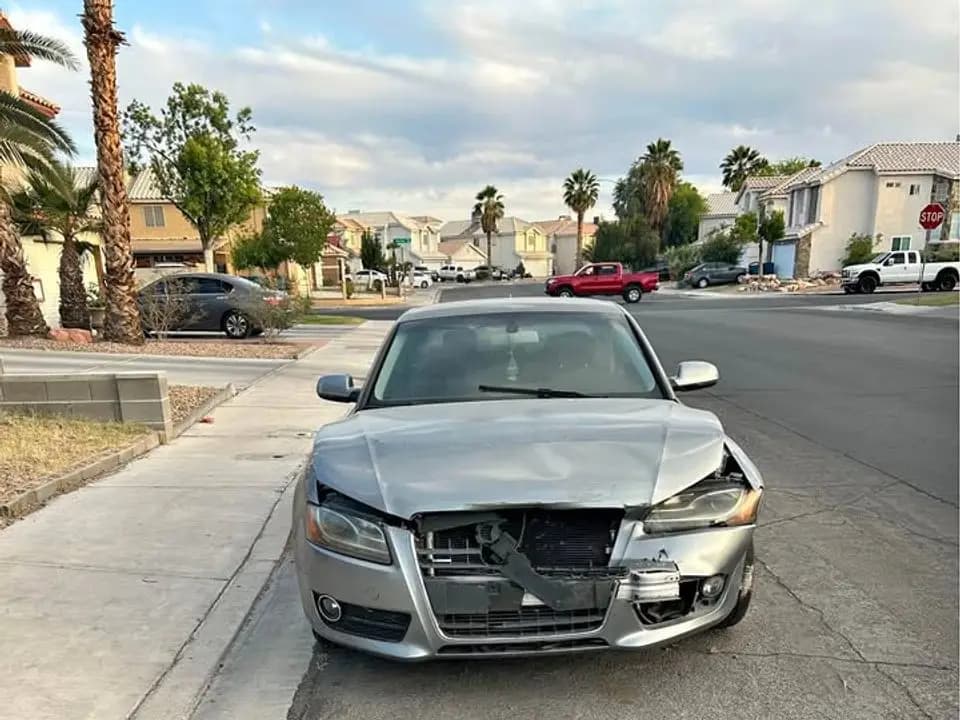 Paid $2,1002010 Audi A5 2.0T PremiumFront-end damage
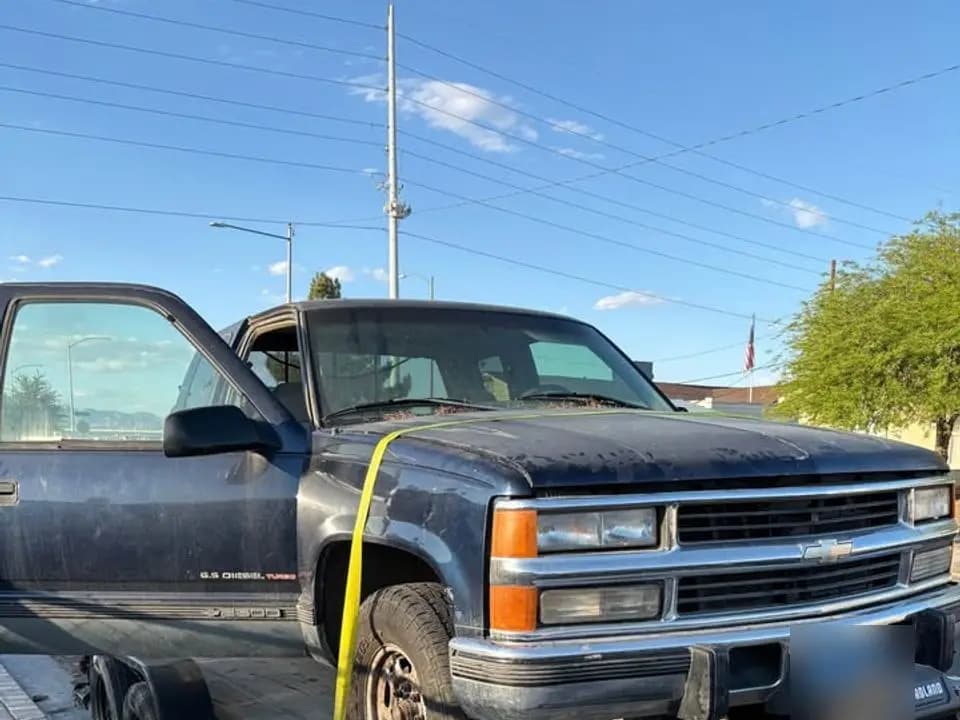 Paid $360Chevrolet pickup
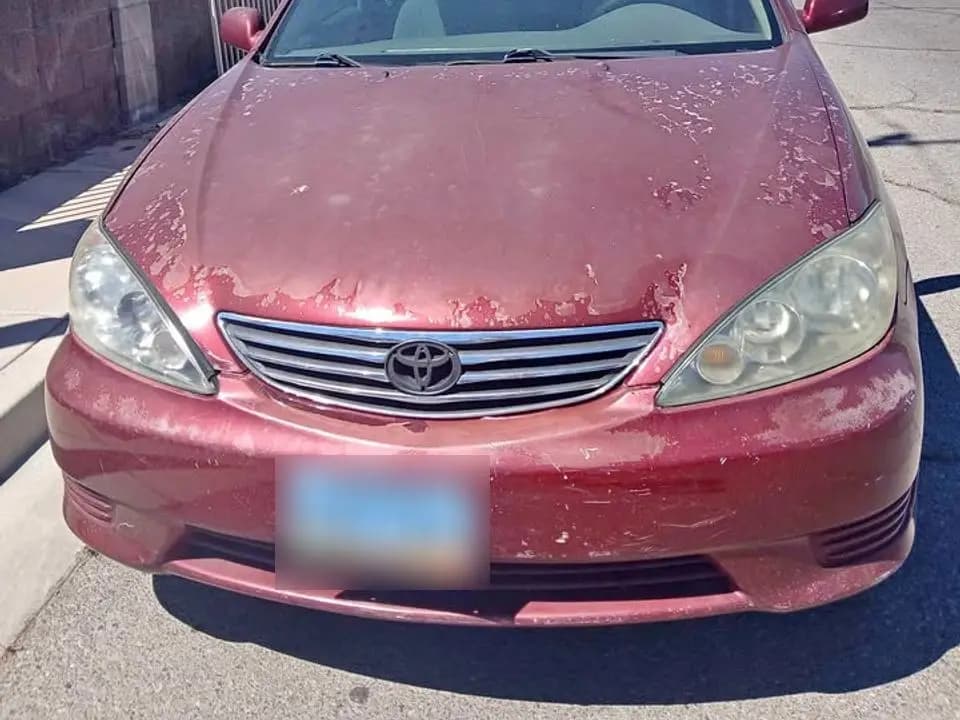 Paid $1,2002005 Toyota CamryPeeling paint
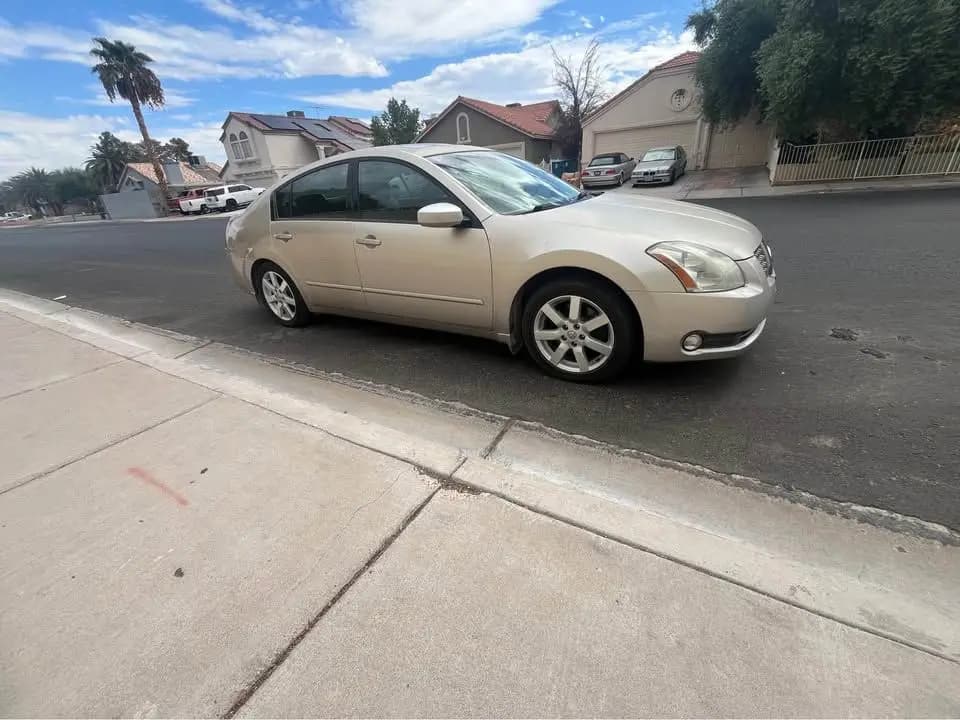 Paid $7002005 Nissan Maxima SE
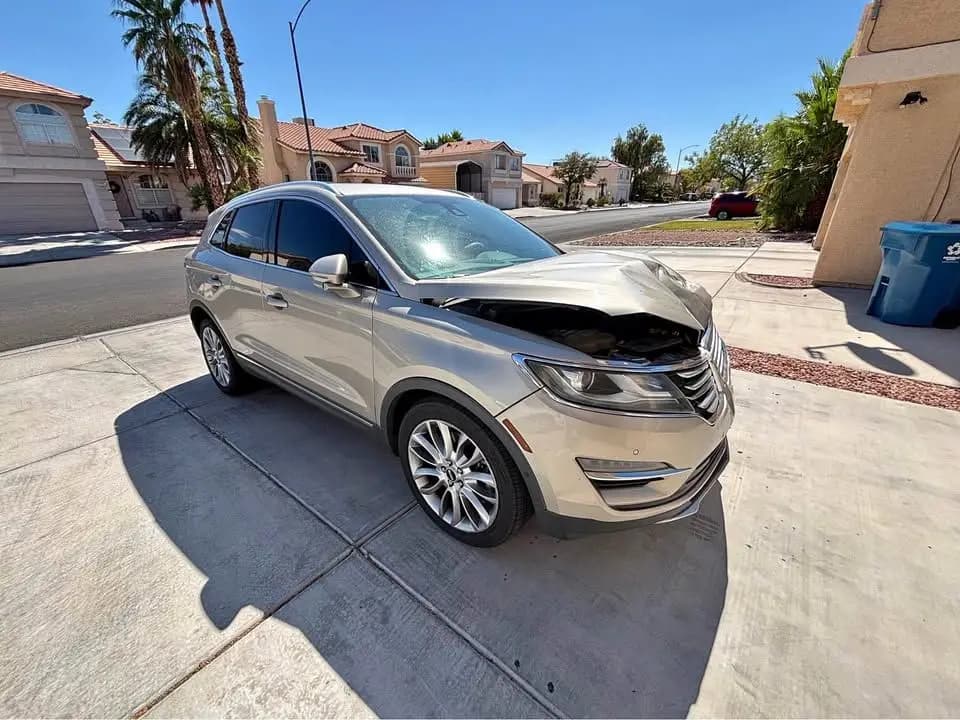 Paid $3,2002015 Lincoln MKCFront-end damage
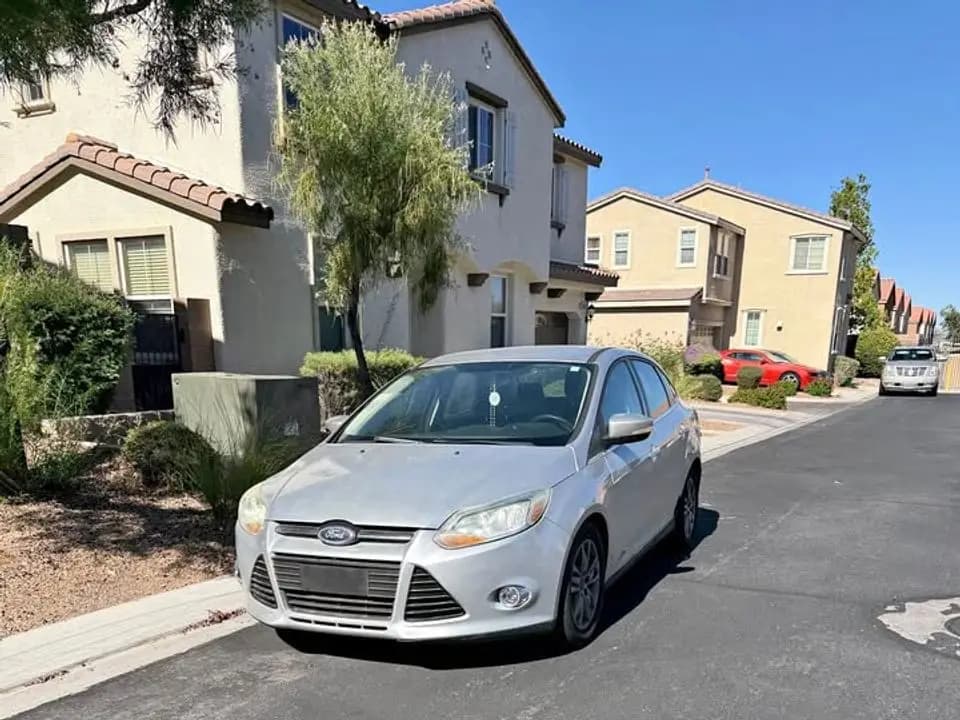 Paid $8002014 Ford Focus SE
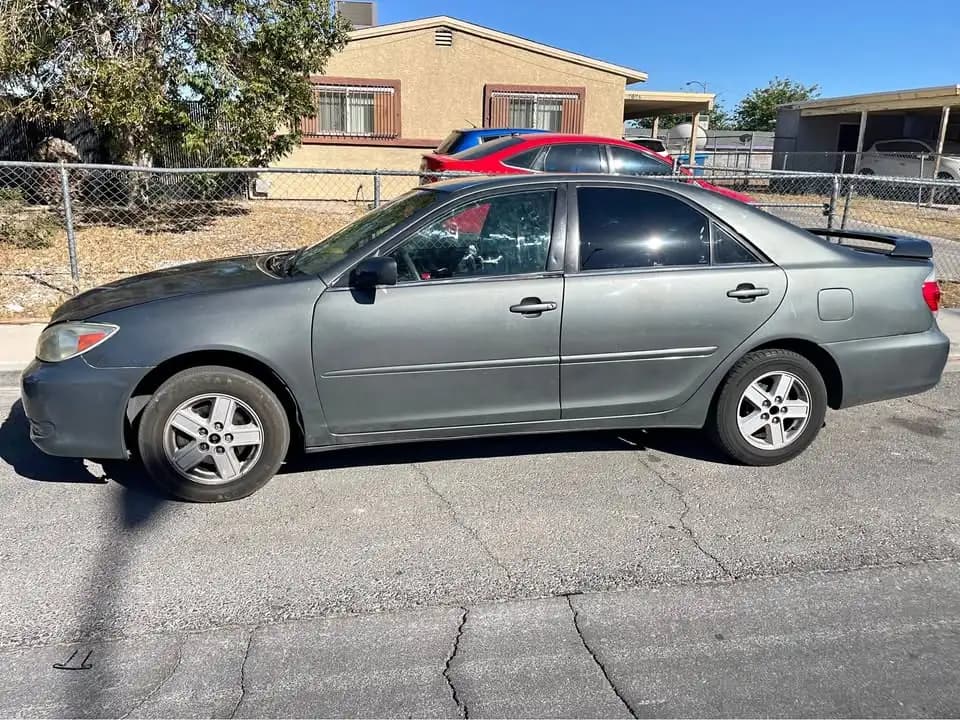 Paid $7802005 Toyota Camry
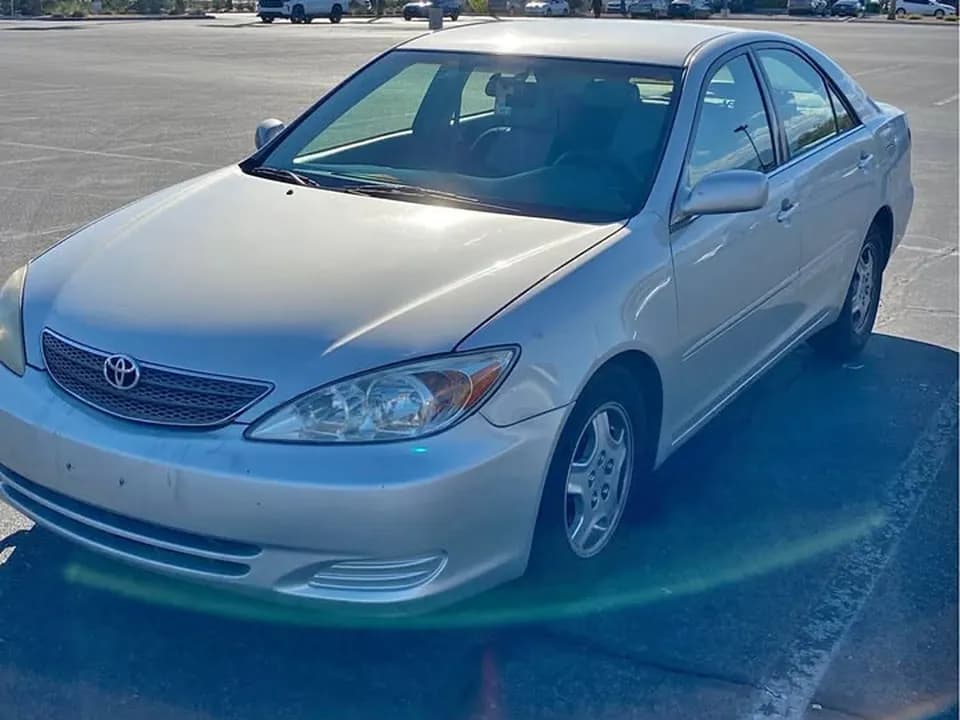 Paid $2,500Toyota Camry
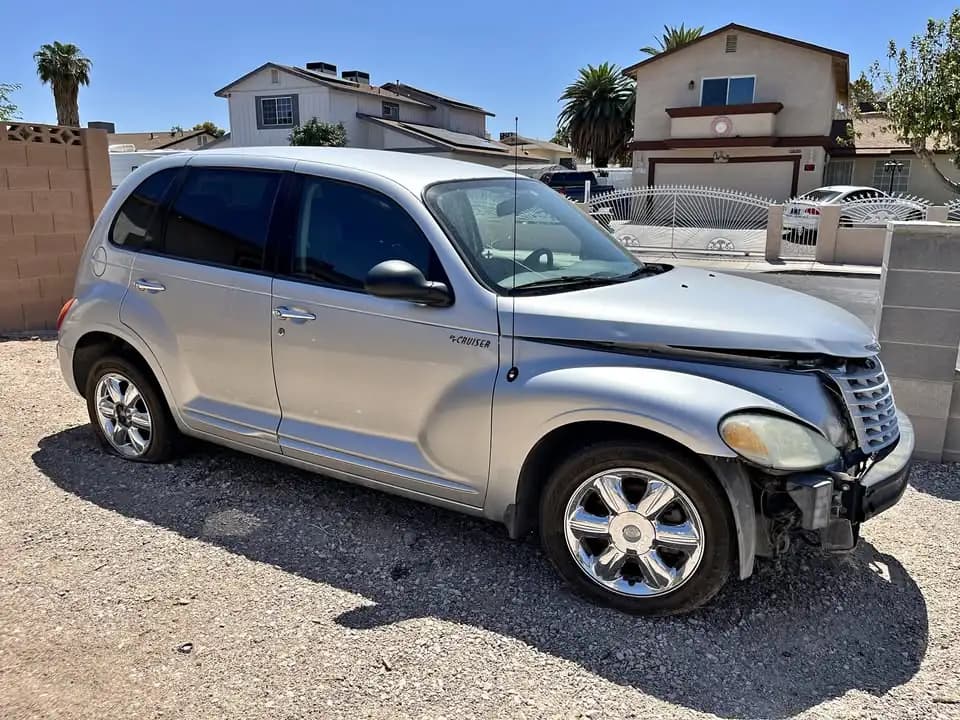 Paid $6002002 Chrysler PT Cruiser TouringFront-end damage
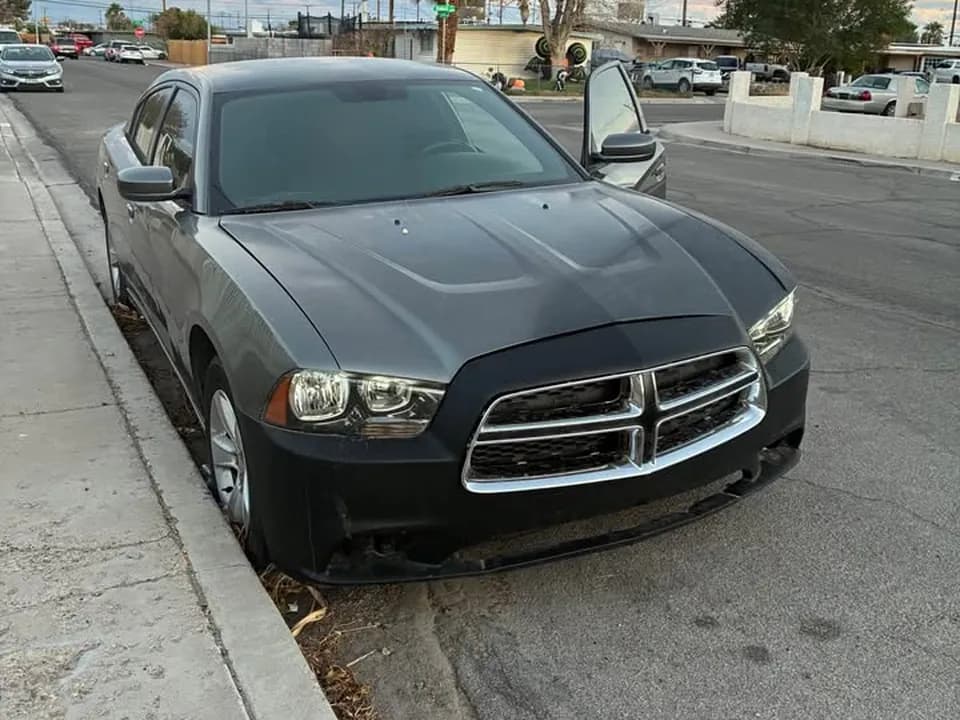 Paid $1,5002011 Dodge Charger R/T
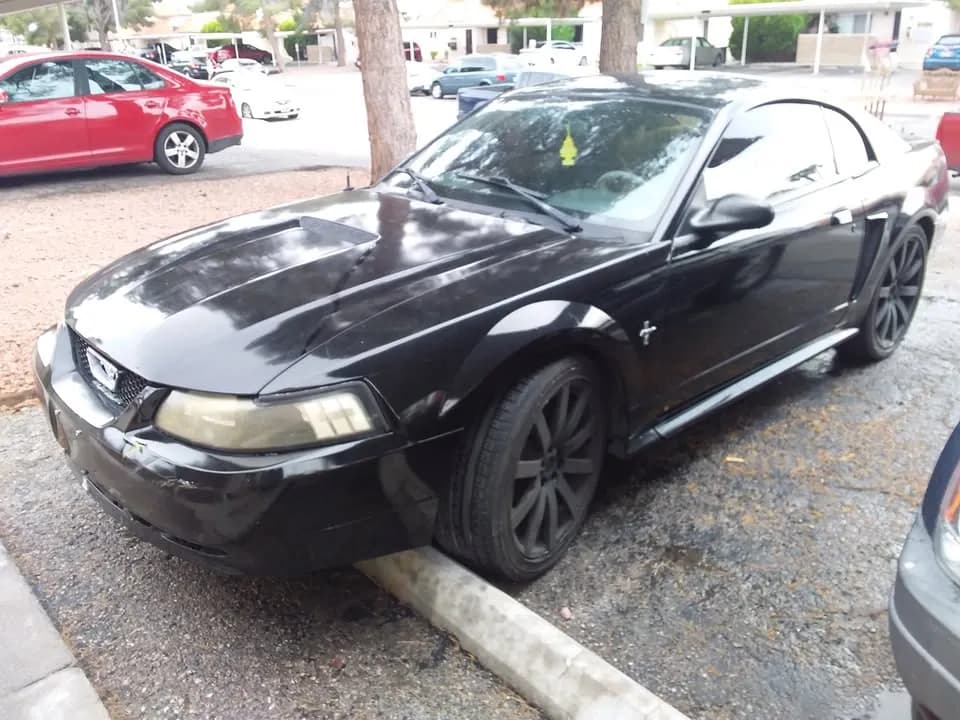 Paid $8002002 Ford Mustang V6
Our junk car price guide has more offers and the scrap-weight math.
Selling it to us once it's in your name
We buy cars you fully own. That means the title is in your name, or you're the heir who has completed the DMV's transfer, and there is no loan on the car.
If that's you, the rest is simple. You get a firm offer online in about two minutes and choose a pickup time from the windows offered when you accept. The tow is free, you're paid at pickup, and we handle the title transfer at no cost. We buy cars running or not, including salvage and rebuilt titles.
If the car is still in someone else's name, they need to be the seller. Start with our cash for junk cars Las Vegas quote when the title is ready. After the sale, keep your plates, cancel the registration and file the Vehicle Resale Notification.
Common questions
- Can I sell a car that isn't in my name?
- Not as the seller. Nevada's DMV says the seller signs the title exactly as the name appears on it, so the person named on the title has to sign. If the car is in someone else's name, that owner signs, or you first get the title put in your name. The exceptions are a deceased owner (heirs use the DMV's estate paperwork) and a lender holding the title.
- Can I sell a car that is not registered in my name?
- Registration and title are different things. What matters for the sale is whose name is on the title. If the title is in your name, you can sell the car even if the registration expired or lapsed. If the title is in someone else's name, they have to sign it over.
- How can I sell a car that is registered in someone else's name?
- The titled owner signs the title and completes the buyer section. Do not sign their name for them. If they're unavailable, the options depend on why: a deceased owner means the estate route, a lender holding the title means the lienholder, and a missing title means the owner (or you, through a bonded title) has to fix it first.
- Can I sell a car if the title is not in my name?
- Only with the titled owner's signature. A bill of sale doesn't replace the title, and the Nevada DMV won't accept a bill of sale plus a duplicate-title application for 2011-and-newer vehicles.
- What documents are required to sell a vehicle on behalf of someone else?
- The paper title signed by the owner named on it (both owners if it says AND), the odometer reading completed on 2011-and-newer cars, a lien release if there was a loan, and a bill of sale. Nevada does not accept a non-secure power of attorney to sell a 2011-or-newer vehicle.
- Can I sell a car titled to a deceased family member?
- Yes, but the title has to pass to the right person first. The DMV handles this through a family trust or probate, or, if neither applies, the VP 024 affidavit for estates without probate. Any loan on the car has to be satisfied first. See our guide to selling a deceased parent's car.
- How do I sell a car my spouse owns?
- Check how the title is worded. If it says 'person 1 OR person 2', either person can sign alone. If it says 'AND', both must sign. If only your spouse is named, your spouse signs. A divorce decree can move ownership, but the DMV says it must specifically award the vehicle by its VIN.
- Can I sell a car for someone else in Nevada?
- You can help, but you can't sign as the owner. The owner signs the title. If they can't be there, ask the DMV how to handle it before signing anything, because Nevada doesn't accept a non-secure power of attorney for 2011-and-newer vehicles.
- Can I sell a family member's car?
- Only with their signature on the title, or through the estate process if they have passed away. Having their permission, the keys or the registration slip isn't enough on its own.
- Can I sell a car with a power of attorney in Nevada?
- The DMV says a non-secure power of attorney will not be accepted for the sale of a 2011-or-newer vehicle. If a lender holds the title, the lienholder may ask you to sign a power of attorney as part of its own process, so ask the lender what it needs.
- What is title jumping in Nevada, and is it allowed?
- Title jumping is buying a car and reselling it without putting the title in your own name, often by passing along a title the first owner signed. The Nevada DMV says multiple private-party sales of 2011-and-newer vehicles using this method are not allowed. Put the car in your name before you resell it.
- What happens if you sell a car that isn't in your name?
- The buyer can't get a title, and the sale can be refused by the DMV. If someone signs another person's name on a title, that is forgery, not a paperwork mistake. Don't do it.
- What if I sold a car and the title is still in my name?
- Then the car is still yours on paper. Notify the DMV of the sale and keep a copy of the bill of sale. Our guide to the Vehicle Resale Notification walks through it.
- How do I get the title if I bought a car and never received one?
- Contact the seller first. If you can't reach the previous owner, Nevada's DMV offers a bonded title through its Title Research Section in Carson City. You buy a surety bond, usually 1.5 times the vehicle's MSRP (25% for a salvage car), and after three years without a claim the 'Bonded' brand comes off.
- Can I sell a car that is leased or has a loan on it?
- Not until the lender releases its interest. The DMV says if there is a loan, lease or other lien, you must contact the lienholder, who orders the printed title once the lien is satisfied. Subleasing and 'take-over payment' arrangements are illegal in Nevada.
- Where can I find companies that buy cars that aren't in my name?
- Be careful with anyone who says they'll buy a car without the owner's signature. A legitimate buyer needs the titled owner to sign. We buy cars you fully own, so the title has to be in your name, with no loan on it.
- How do I get a duplicate title in Nevada?
- If the car was last titled in Nevada and has no lien, the legal owner applies with form VP 012 at a DMV office or by mail. The fee is $20 for a duplicate sent to a Nevada address and $35 out of state. The DMV says mail takes about two to three weeks.
- Do you buy cars that aren't in the seller's name?
- We buy cars you fully own. That means the title is in your name, or you are the heir who has completed the DMV's transfer, and there is no loan on it. If the car is in someone else's name, they need to be the one selling it.