Updated 4 min read
On this page
The four routes
There's no single best way to sell a car in Las Vegas. There are four routes, and the right one depends on three questions:
- Does the car still run and drive?
- Are you buying another car at the same time?
- How much of your time, and how many strangers in your driveway, is the extra money worth to you?
In short:
- Trade-in: easiest if you're buying anyway, and Nevada gives you a sales-tax break for it.
- Private sale: usually the most money for a running, desirable car, and the most work.
- Junkyard or scrapper: a price for the metal, set on the day.
- Instant offer: a fixed number before anyone comes out, and a pickup from your door.
1. Trade-in at a dealer
You hand your car over as part of buying another one, and its value comes off the price.
Best when:
- You're buying a car from a dealer anyway and want one visit and one set of paperwork.
- The tax matters to you. Under NRS 372.025, the allowance a dealer gives for a used vehicle taken in trade is left out of the taxable amount on the vehicle you're buying.
Worst when:
- You aren't buying. No purchase means no trade-in and no tax credit.
- The car doesn't run. A dealer is set up to resell cars, and a dead one is rarely what they want.
- You want to know exactly what your car fetched. The trade-in value is mixed in with the price, the financing and the add-ons of the car you're buying.
2. Private sale
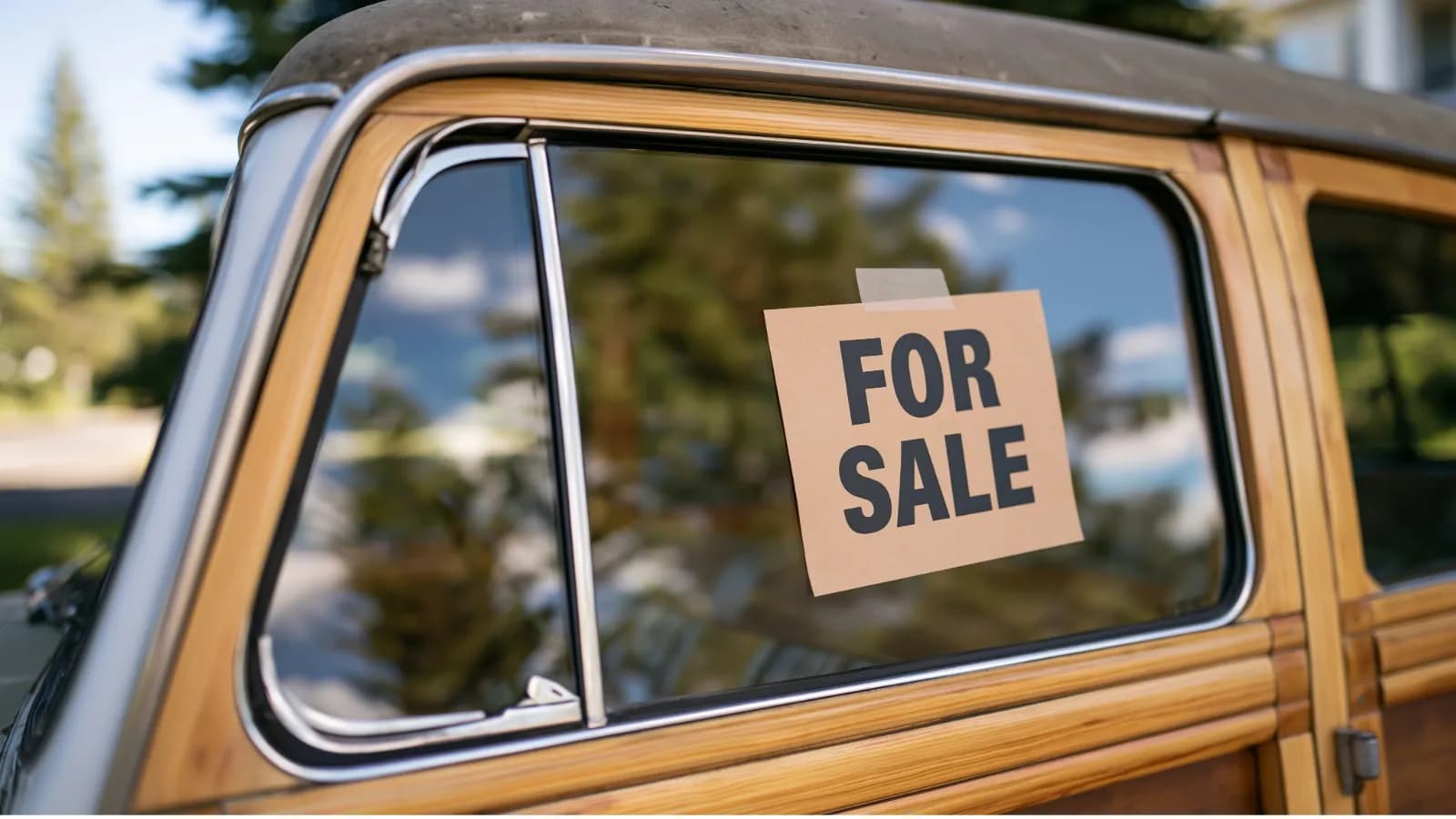
You list the car yourself, answer messages, show it and agree a price.
Best when: the car runs and drives well, you have weeks rather than days, and you don't mind haggling. A running car sold to the right private buyer can beat any instant offer. That's simply true, and any buyer who tells you otherwise is selling something.
Worst when:
- The car doesn't run. The private market for non-running cars is thin and full of lowballers.
- You'd rather not meet strangers at home, hand over keys for test drives or judge whether a payment is genuine.
- The title is branded salvage. The Nevada DMV says a salvage vehicle can't be sold to a private person, only to a licensed rebuilder, wrecker or dealer.
What Nevada expects from a private seller
- Sign the title over and fill in a Bill of Sale, DMV form VP-104.
- Submit a vehicle resale notification within five days of the sale. It shows you no longer own the car.
- Keep your plates. Put them on another car or turn them in.
- Cancel your registration and surrender your plates before you cancel your insurance.
- The smog check is the buyer's job, not yours. The Nevada DMV says that in private transactions the test is the buyer's responsibility.
The full step-by-step is in our Nevada selling-a-car paperwork guide.
3. Local junkyard or scrapper
You call around for a price and get the car to the yard.
Best when: the car is genuinely at the end of its life, you can get it there yourself, and you're comfortable negotiating on the spot.
Worst when:
- You need a tow. Ask whether towing is included or taken off the price before you agree.
- You want the price agreed in advance. Yards usually price on the day and on the metal.
- The car still has value beyond its weight. Trim, options and parts demand usually don't come into it.
4. Instant online offer
You describe the car online, get a number and book a pickup.
Best when: the car doesn't run, you want the price fixed before anyone shows up, you don't want to meet strangers, or you just want it gone with the paperwork handled.
Worst when: you have a running, desirable car and plenty of time. Then a private sale probably nets more, and we'd rather tell you that than pretend otherwise.
Here's how ours works. You get a firm offer online and pick a pickup window. We tow the car for free and you're paid at pickup. We buy only cars you own outright, and our yard is on Coleman Street in North Las Vegas. How your offer is built explains what goes into the number.

Which route fits your car?
- Runs, and you're buying another car: trade it in. Nevada's trade-in tax rule works in your favour.
- Runs, is in demand, and you have weeks: sell privately and follow the DMV steps above.
- Salvage title: only a licensed rebuilder, wrecker or dealer can buy it.
- Dead, you can haul it, and you like haggling: a junkyard.
- Dead, or you want a fixed number and no strangers: an instant offer. Our Las Vegas junk car guide covers that route.
- You still owe money on it: talk to your lender first. We only buy cars that are fully owned.
Common questions
- What is the best way to sell a junk car in Las Vegas?
- If it doesn't run, a private sale is usually hard work for little return. The practical choices are a scrapyard, if you can get the car there and don't mind a price set on the day, or a buyer who gives you a firm number up front and tows it away.
- Do I pay less sales tax if I trade my car in at a Nevada dealer?
- Yes. When a dealer credits your used vehicle against another vehicle you're buying, that trade-in allowance is left out of the taxable amount under NRS 372.025. Selling your car for cash gives you no such credit.
- Who pays for the smog check when I sell my car privately in Nevada?
- The buyer. The Nevada DMV says that in private transactions the emissions test is the buyer's responsibility.
- Can I sell a salvage-title car to a private buyer in Nevada?
- No. The Nevada DMV says a salvage vehicle can only be sold to a licensed rebuilder, wrecker or dealer, not to a private person.
- What paperwork do I handle after a private sale?
- Sign the title over, fill in a Bill of Sale (DMV form VP-104), keep your plates, submit a vehicle resale notification within five days of the sale, and cancel your registration before you cancel your insurance.
- Do I get more from a junkyard than an online buyer?
- Not reliably. A yard prices largely on metal weight on the day; an instant offer can also weigh resale and parts demand. The bigger practical difference is that one number is agreed before anyone arrives and the other isn't.