7 min read
On this page
The short answer
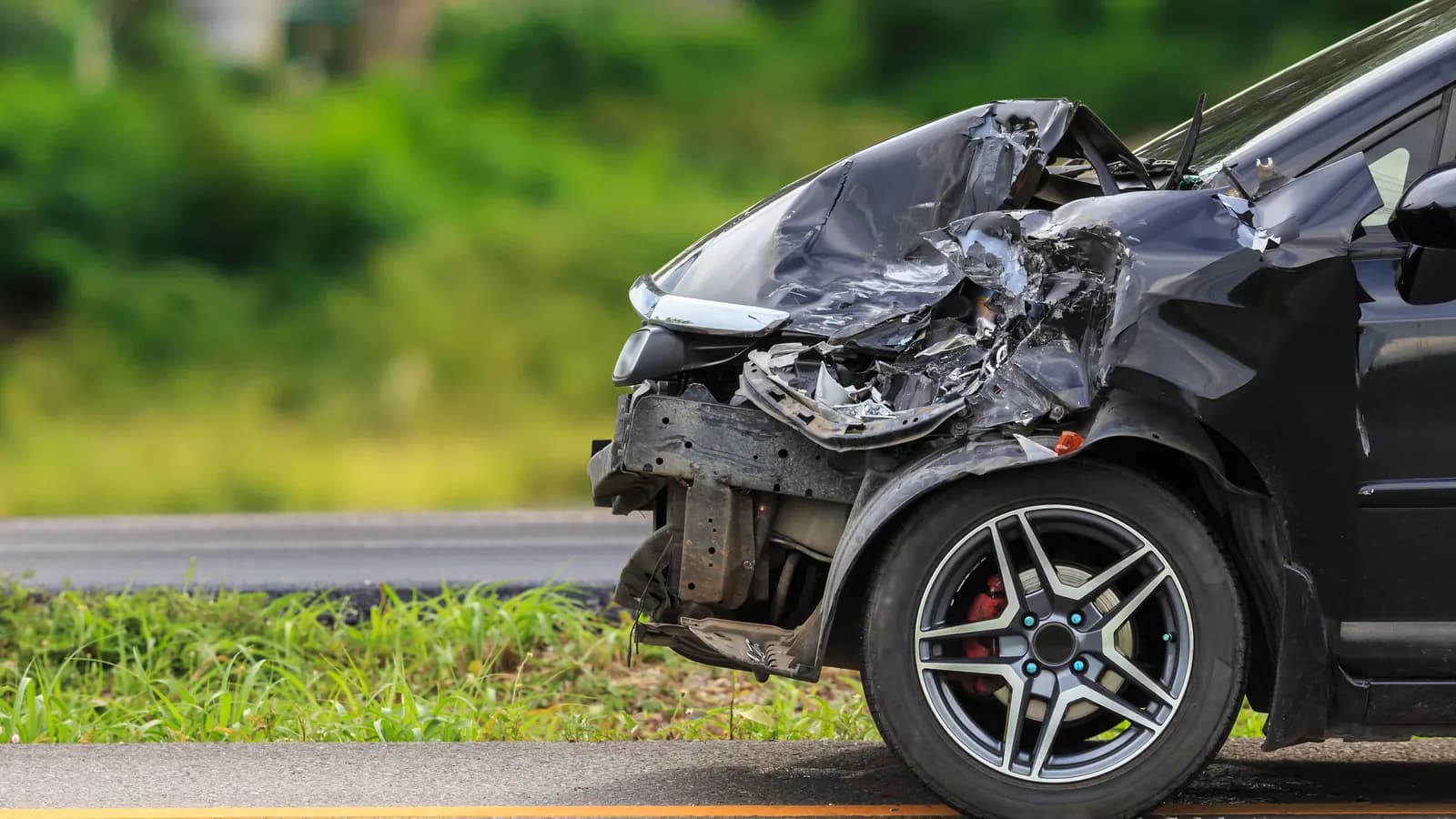
For most people the simpler route is to take the insurance payout and let the insurer keep the car. Keeping a totaled car makes sense mainly when the damage is cosmetic or cheap for you to fix, because in Nevada the car then needs a salvage title, can't be driven or registered until it is rebuilt and inspected, and can be sold only to a licensed rebuilder, wrecker or dealer.
In the order you will deal with it:
- Ask for the valuation in writing. Nevada requires the insurer to give you the basis for a total-loss settlement in writing.
- Decide: surrender the car or keep it. Keeping it lowers the payout by the car's salvage value.
- Take the plates off the car as soon as it is declared a total loss.
- Cancel the registration on MyDMV, then cancel the insurance. Never the other way round.
- If you kept the car, apply for the salvage title within 30 days.
When does Nevada call a car totaled?
The Nevada DMV's salvage page defines a total loss as a vehicle damaged to the extent that the estimated cost of repair would exceed 65% of its fair market value before the damage, not including painting costs. A vehicle with less than 65% damage is not a salvage vehicle.
Three details that matter:
- It is about money, not looks. A car with a crumpled panel can be a total loss if it is worth little. A car with ugly damage can fall under 65% if it is worth a lot.
- Older cars have an exception. The DMV says vehicles 10 model years old or older are not salvage if the only repairs needed are the hood, the trunk lid, and up to two of the doors, grille, bumper, headlight or taillight assemblies. More than that, and the 65% rule applies.
- Flood damage counts too. The DMV counts a car as flood damaged when water rose above the door sill and entered the passenger, trunk or engine compartment or touched the electrical system.
What a fair total-loss payout includes in Nevada
Insurers often call the payout the "actual cash value." Nevada's rule for insurers, NAC 686A.680, is more specific. For a total-loss claim the insurer must either offer a comparison car or make a cash settlement, and the cash settlement must be based on:
- The cost of a comparable car, less your deductible, including all taxes, license fees and other fees that come with transferring ownership.
- One of three valuation methods: the average cost of two or more comparable cars in your local market that are available now or were within the last 90 days, the average of two or more price quotes from licensed dealers in your local market, or a statistically valid fair-market-value source that gives primary consideration to your local market.
- A floor. The cash settlement must not be less than the lowest valuation obtained by those methods, as adjusted for deductible, taxes and fees.
Any deduction from the value, including a deduction for salvage, must be measurable, itemized and specified as to the amount, and "the basis for the settlement must be documented in the claim file and fully disclosed to the claimant in writing."
What to do with that:
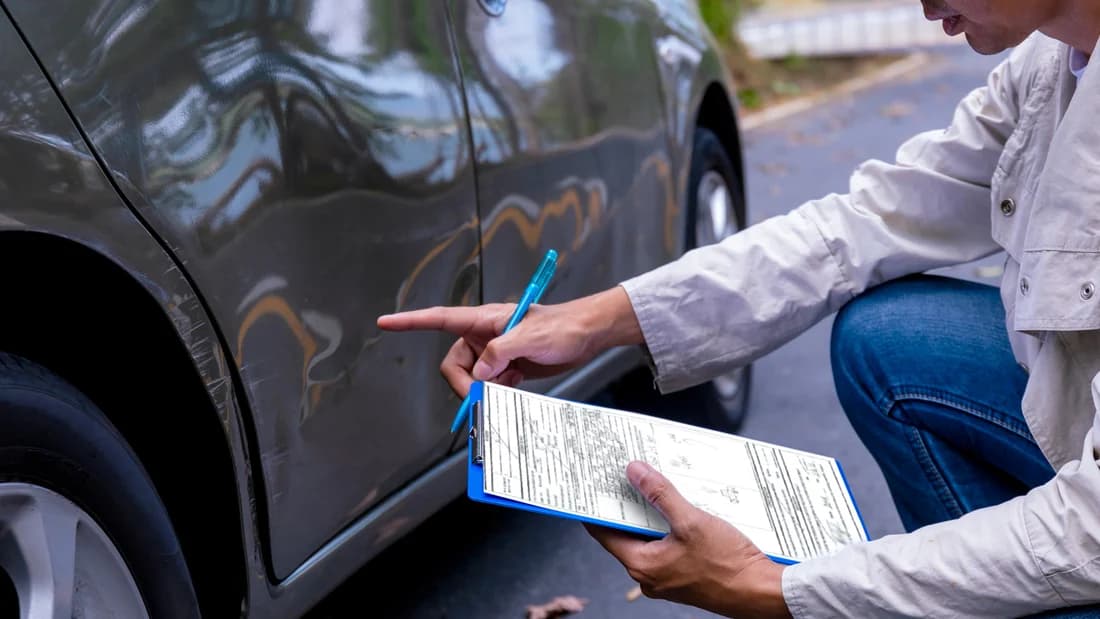
- Ask for the valuation report and the list of comparable cars. Check that they are in your area, that the year, trim and mileage match, and that taxes and fees are included.
- Ask what each adjustment is for. Condition adjustments and deductions should be itemized, not a single lump.
- Raise anything that looks wrong with the insurer in writing, and include your own local listings. If it does not resolve, you can contact the Nevada Division of Insurance.
Option 1: take the payout
You accept the settlement and the insurer takes the car. The DMV says that when an insurance company pays a total loss and takes the car, the insurer applies for the salvage title. That is the part you skip.
What is left for you:
- Sign over what the insurer asks for, including the title.
- Deal with the lender if you have a loan. Ask how the payout will be split, and whether you have gap coverage if the loan is bigger than the payout.
- Do the plates, registration and insurance steps in the order below.
Option 2: keep the car and sell or rebuild it
If you keep a totaled car, the insurer subtracts its salvage value from your settlement. After that:
- Apply for the salvage title within 30 days. The DMV lists the owner as the applicant if you choose to keep the car. You need the original title signed by you, form VP 213 in blue or black ink, and a $10 check or money order, mailed to the DMV's Salvage Unit in Carson City. The DMV says it typically issues the title within 2 business days.
- You can't drive or register it. An orange-title car has to be rebuilt and inspected first.
- To rebuild it, a car 5 model years old or newer must go to a DMV inspection station before repairs start (form VP 209). After repairs, a Nevada-registered garage or licensed body shop or rebuilder inspects it, then the DMV does a final inspection. The title then carries a "Rebuilt" brand that cannot be removed.
- To sell it, you can sell only to a licensed rebuilder, wrecker or dealer. The DMV says you cannot sell a salvage vehicle to a private person.
The rules on honesty are strict. Before you sell or transfer a salvage, rebuilt or reconstructed vehicle, NRS 487.830 requires you to tell the buyer in writing. The DMV also says it is illegal to hide or "wash" the brand, or to take a salvage vehicle out of Nevada to sell it without first getting a Nevada salvage title. If the vehicle is worth $250 or more, violating these laws is a felony.
Our Nevada private-sale paperwork guide covers the title and bill of sale for ordinary sales.
Plates, registration and insurance: do them in this order
The DMV's advice after a crash is four steps.
- Remove both plates as soon as the insurer declares a total loss. In Nevada the plates stay with the owner, not the car.
- Choose what to do with them. The DMV gives these deadlines: move them to another vehicle within 30 days; surrender standard "Home Means Nevada" plates within 60 days to save the credit, or specialty plates (charity, veteran, personalized) within 30 days.
- Cancel the registration through MyDMV.
- Only then cancel the insurance. The DMV warns that if it sees an active plate with no insurance, it will mail you a fine starting at $250.
A cash refund, rather than a credit, requires that the amount be over $100 and that you provide a copy of the salvage title or a letter from your insurance company.
What if the car was not declared a total loss?
If the repair estimate comes in under 65%, the car is not a salvage vehicle and keeps its normal title. Then the choice is repair or sell, and the same sums apply as for any damaged car. Our guide to fixing or selling a car with a blown engine or bad transmission shows how to weigh them, and how a junkyard prices a car shows what scrap buyers pay.
When you sell a damaged car that you own outright and that has a clean title, a firm offer from a buyer is a way to settle it quickly. We handle the title transfer at no cost, the tow is free, you pick a pickup time from the windows offered when you accept, and you're paid at pickup. Tell us the real condition of the car in the quote.
If your car has been declared a total loss or has a salvage title, ask any buyer, us included, whether they can buy it before you book anything. We buy only cars you fully own, so a car with a loan has to be paid off first.
Which route fits you?
- The insurer's offer is fair and you want it done: take the payout and follow the plates and insurance steps.
- The damage is cosmetic and you or a shop you trust can fix it cheaply: compare keeping it, with the lower payout and the salvage title, against the repair cost.
- You want to sell the wreck yourself: you can only sell a salvage car to a licensed rebuilder, wrecker or dealer, and you must tell them in writing.
- The payout is less than you owe: ask about gap coverage before you sign anything.
- The car was never declared a total loss: compare repair against a firm offer, and read the paperwork steps in our Nevada paperwork guide.
If you have a damaged car that is fully paid off, our cash for junk cars Las Vegas quote takes about two minutes.
Common questions
- Can you sell a totaled car in Nevada?
- It depends on who ends up with the car. If your insurer pays out the total loss and takes the car, it is no longer yours to sell. If you keep it, the Nevada DMV says a salvage vehicle can be sold only to a licensed rebuilder, wrecker or dealer, not to a private person.
- Does Nevada let you keep a totaled car?
- Yes. The DMV's salvage page says the owner applies for the salvage title within 30 days if they choose to keep the car. Your insurer deducts the car's salvage value from the settlement, and the car can't be driven or registered until it has been rebuilt and inspected.
- When is a car a total loss in Nevada?
- The Nevada DMV defines a total loss as a vehicle damaged so that the estimated cost of repair would exceed 65% of its fair market value before the damage, not including painting costs. Under 65%, the car is not a salvage vehicle.
- What does a Nevada total-loss payout have to include?
- Under NAC 686A.680, an insurer that pays cash must base it on the cost of a comparable car, including taxes, license fees and other transfer fees, less your deductible. Any deduction, including one for salvage, must be itemized, and the basis for the settlement must be given to you in writing.
- Can I sell a salvage-title car to a private buyer in Nevada?
- No. The DMV says an orange salvage title car cannot be sold to a private person until it has been fully rebuilt and inspected. Before you sell any salvage, rebuilt or reconstructed vehicle you must tell the buyer in writing under NRS 487.830.
- What do I do with my plates when my car is totaled?
- Take both plates off as soon as the insurer declares a total loss. The DMV says to move them to another vehicle within 30 days, or to surrender standard plates within 60 days (specialty plates within 30 days) to keep your registration credit.
- Should I cancel my insurance after a total loss?
- Not first. The DMV says to cancel the registration through MyDMV before you cancel the insurance, because an active registration with no insurance can bring a fine starting at $250.
- Do I still owe my lender if my car is totaled?
- Usually, until the loan is paid. Ask your insurer how the payout will be split with your lender, and whether you have gap coverage if the loan is larger than the payout. We buy only cars you fully own, so a car with a loan has to be paid off first.