
6 min read
On this page
The short answer
Scrapping or selling gives you money you can count on. Donating gives you a tax deduction, which is not money, and which only helps if you itemize. For a junk car, the deduction is usually small, because the IRS generally limits it to what the charity sells the car for.
So donating wins in some cases and loses in others. This post sets the two side by side and shows where the line is, using the IRS's own rules and Nevada's.
Two different things
Scrapping or selling means a buyer pays you for the car. You see the number before it leaves, and the payment is yours.
Donating means a charity takes the car. You receive no payment. You may receive a tax deduction, and what it is worth depends on what the charity does with the car.
Everything below follows from that difference.
How the deduction works, in the IRS's own words
The IRS publishes a donor's guide to vehicle donation, Publication 4303. The copy we read was last revised in 2015, so check the IRS's current donor guidance too. The rules that matter for a junk car:
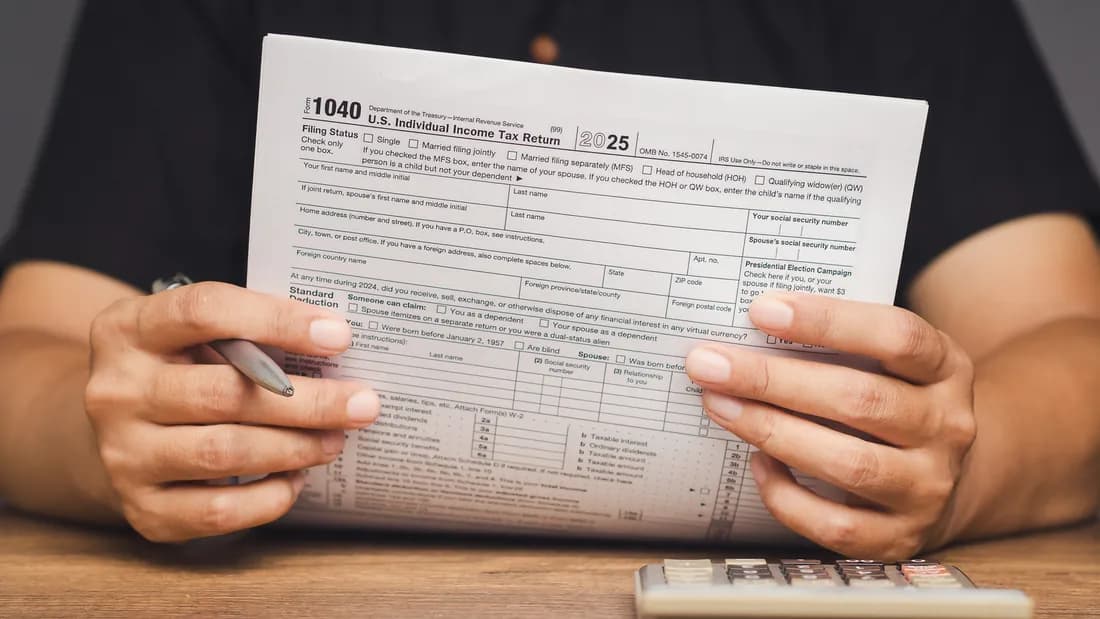
- You have to itemize. "You can deduct contributions to charity only if you itemize deductions on your Schedule A of Form 1040."
- The deduction is generally capped at what the charity sells it for. "Charities typically sell the vehicles that are donated to them. If the charity sells the vehicle, generally your deduction is limited to the gross proceeds from the sale."
- Sales of $500 or less have a special rule. If the car sells for $500 or less, you may claim the lesser of its fair market value on the day you donated it, or $500.
- Fair market value is not a pricing-guide number. The guide defines it as the price a willing buyer would pay and a willing seller would accept, and says it cannot exceed what you could get from a private sale.
- There are exceptions where you can deduct fair market value. They apply only if the charity certifies in writing that it will make significant use of the car, improve it materially before selling it, or give or sell it to a person in need at a price well below its value.
- You need paperwork. For more than $500, the charity's written acknowledgment must reach you within 30 days of the sale, and you attach it and Form 8283 to your return. The IRS says that if it is missing required information, the deduction may not exceed $500.
What that means for a car that sells for little
The IRS gives its own examples. A car with a fair market value of $4,300 that the charity sells for $3,700 gives a deduction of at most $3,700. If the charity sells it for $400, the deduction is at most $500.
A junk car sits in the second case. If the charity sells it for a few hundred dollars, the most you can deduct is $500. And a deduction is not a refund: it reduces your taxable income, so the tax you save is a fraction of the deduction, and nothing at all if you take the standard deduction.
This is general information, not tax advice. Check the current IRS guidance or ask a tax professional before you rely on a number.
Scrap or sell: what you actually get
When you sell the car, the money is the offer. For a junk car, that is mostly metal weight, plus parts and the catalytic converter, as our guides on what decides a junk car's value and how a junkyard prices a car explain. The offer is yours whether or not you itemize, and it arrives at pickup.
When donating is the better choice
- The car runs well and has real value. A charity that sells it for a good price, or puts it to use and certifies that, can produce a larger deduction.
- You itemize anyway and the deduction is worth something to you.
- You care about a particular cause. Many people donate for that reason alone, and that is a fair reason.
- You can't find a buyer. Some charities say they take cars in any condition, so ask.
When scrapping or selling is the better choice
- The car is old, damaged or doesn't run. Its sale value to a charity is low, so the deduction is capped low.
- You take the standard deduction. Then the deduction is worth nothing.
- You want a fixed number and a date. A quote shows the offer before anyone comes out, and you choose the pickup time from the windows offered when you accept.
- You need the cash. A deduction arrives, at best, when you file.
Check the charity before you give the car
Nevada charities that run vehicle programs include Catholic Charities of Southern Nevada, Vegas PBS, Habitat for Humanity Las Vegas, the Nevada SPCA and others. Several of their program pages advertise free towing. This is not a recommendation, only a reminder that a program existing is not the same as it being the right one for you. Five checks:
- Is it a qualified charity? The IRS Tax Exempt Organization Search lets you check an organization's eligibility to receive tax-deductible charitable contributions. Churches may not be listed, and the IRS says to call if so.
- Is it registered in Nevada? The Nevada Secretary of State says charities must register before soliciting contributions in Nevada.
- Does its request look complete? Under the same Nevada rules, a solicitation must give the organization's full legal name, physical address, a phone number or website, a statement of its purpose, and whether the gift is tax deductible under section 170(c) of the Internal Revenue Code.
- What will it do with the car? Ask whether it sells it, scraps it, uses it or gives it away. That decides your deduction.
- Will you get the acknowledgment? Ask for the sale price in writing and how soon you will get the paperwork.
The Nevada paperwork is the same either way
Whether the car goes to a buyer or a charity, the title leaves your name, and you should say so to the DMV.
- Sign the title over properly, as in any transfer. Our Nevada selling-a-car paperwork guide has the steps.
- File the notice of transfer. NRS 482.400 gives the person transferring a title 5 days to submit a notice of the transfer electronically. The DMV's Vehicle Resale Notification is how. Don't leave it to the tow driver.
- Keep your plates. Put them on another vehicle or surrender them.
- Get a receipt or acknowledgment that names the buyer or charity, the date and the vehicle.
I found no Nevada DMV page written specifically about donated cars. The notice rule is written for a transfer of title, which a donation is, so file it.
If you decide to sell it
Get a quote, and compare it with what a donation could realistically give you. We buy cars you fully own. You see the offer before anyone comes out, the tow is free, and you're paid at pickup. How your offer is built lists what can change it, and our cash for junk cars Las Vegas quote takes about two minutes.
Common questions
- Is it better to scrap or donate a car in Nevada?
- Scrapping or selling puts a known amount in your hand. Donating gives a tax deduction, not cash, and only if you itemize. On a junk car, the deduction is limited by what the charity sells it for, so donating tends to win when the car runs well or you care about the cause, and selling wins when the car is old, damaged or you want the money now.
- How much tax deduction do I get for donating a junk car?
- If the charity sells it, the IRS limits your deduction to what the charity gets for it. If it sells for $500 or less, you may deduct the lesser of the car's fair market value or $500. A deduction only lowers your taxable income, so the tax you save is a fraction of it, and only if you itemize.
- Do I have to itemize to deduct a donated car?
- Yes. The IRS says you can deduct contributions to charity only if you itemize deductions on Schedule A of Form 1040.
- Can I donate a car that doesn't run?
- Many charities accept cars that don't run, and some sell them for scrap. Ask the charity what it does with the car, because that decides your deduction.
- How do I check that a car donation charity is real in Nevada?
- Look the organization up on the IRS Tax Exempt Organization Search to confirm it can receive tax-deductible gifts, and confirm it is registered with the Nevada Secretary of State, which requires charities to register before soliciting. Its solicitation should state its legal name, address, phone or website, purpose, and whether gifts are tax deductible.
- Do I still file a DMV notice after donating a car in Nevada?
- Nevada's NRS 482.400 gives a person who transfers a vehicle's title 5 days to submit the notice of transfer, and the DMV's Vehicle Resale Notification is how you do it. Keep your plates and handle them as for any sale.
- Can I sell a car that still has a loan on it, or donate it?
- We only buy cars that are fully owned, so a loan has to be paid off first. A charity will need the title too, so ask your lender how to release it before you donate.