5 min read
On this page
The short answer
You can sell a flood damaged or fire damaged car in Nevada. What changes is who can buy it and what you have to tell them:
- Work out its status. Nevada law decides whether a flooded car is a "flood-damaged vehicle" and whether a burned car is "nonrepairable." Both count as salvage vehicles.
- Disclose in writing. Before any sale, NRS 487.830 requires you to tell the buyer in writing what you know about its salvage status.
- Sell to the right buyer. The Nevada DMV says a salvage vehicle can't be sold to a private person, only to a licensed rebuilder, wrecker or dealer.
- Don't drive it. Have it towed.
If insurance is involved, our totaled car guide covers the payout, the 65% rule and the salvage title. This post covers what is different about water and fire.
When Nevada counts a car as flood damaged
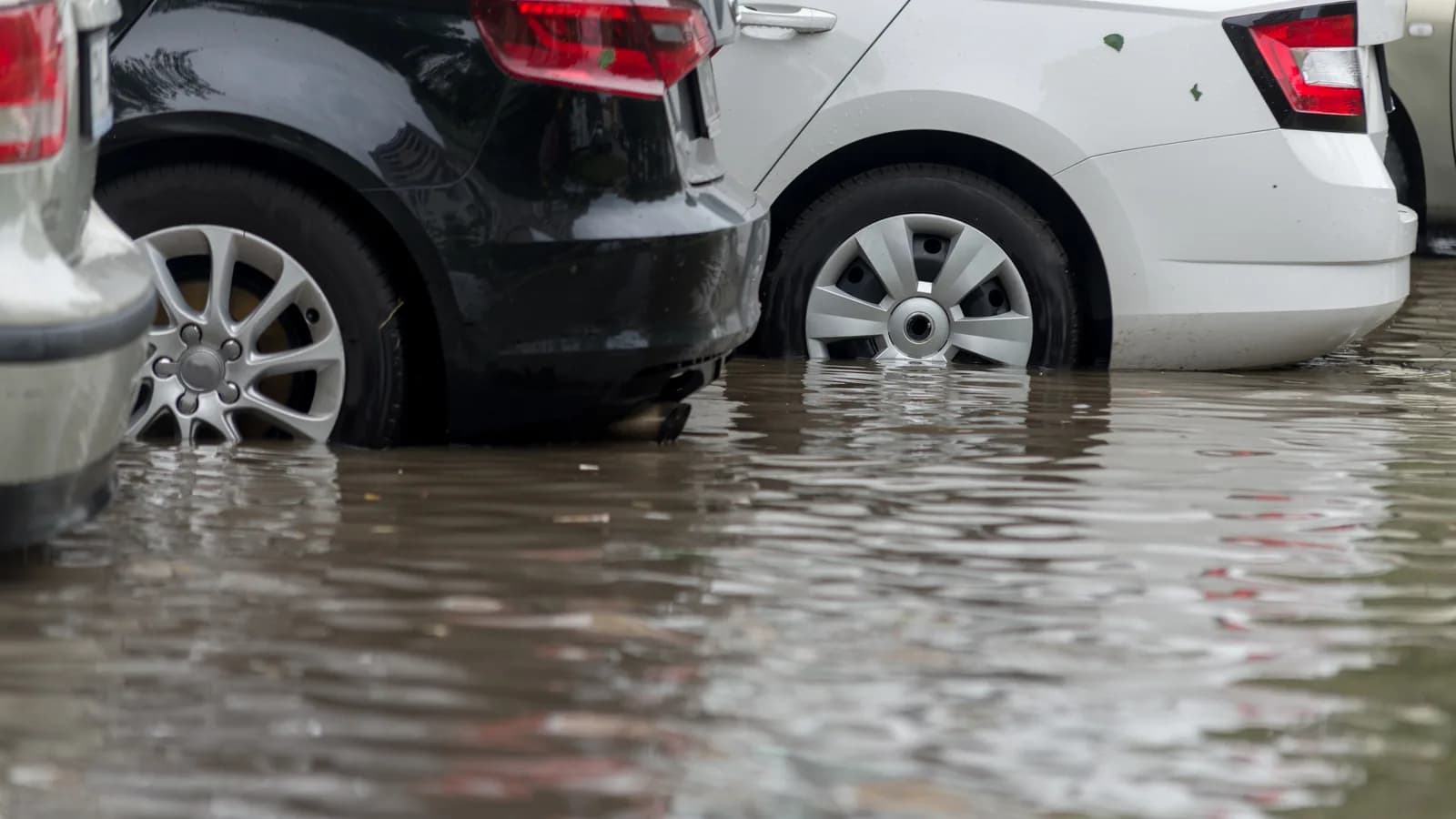
Not every wet car is a "flood car." Under NRS 487.740, a flood-damaged vehicle is one that:
- was submerged with the water higher than the door sill, and
- the water got into the passenger, trunk or engine compartment, and
- the water came into contact with the electrical system,
or one that an insurer acquired, or the owner kept, as part of a total loss settlement from water damage.
So a car that drove through a puddle isn't a flood car. A car that sat in a wash with water over the sills and into the cabin is. The Nevada DMV uses the same definition on its salvage vehicles page.
Flooding is a real risk here. The Clark County Regional Flood Control District's annual warning is "turn around, don't drown": flash flood season runs July through September, and the district says as little as a foot of moving water can float a car.
When a fire damaged car becomes nonrepairable
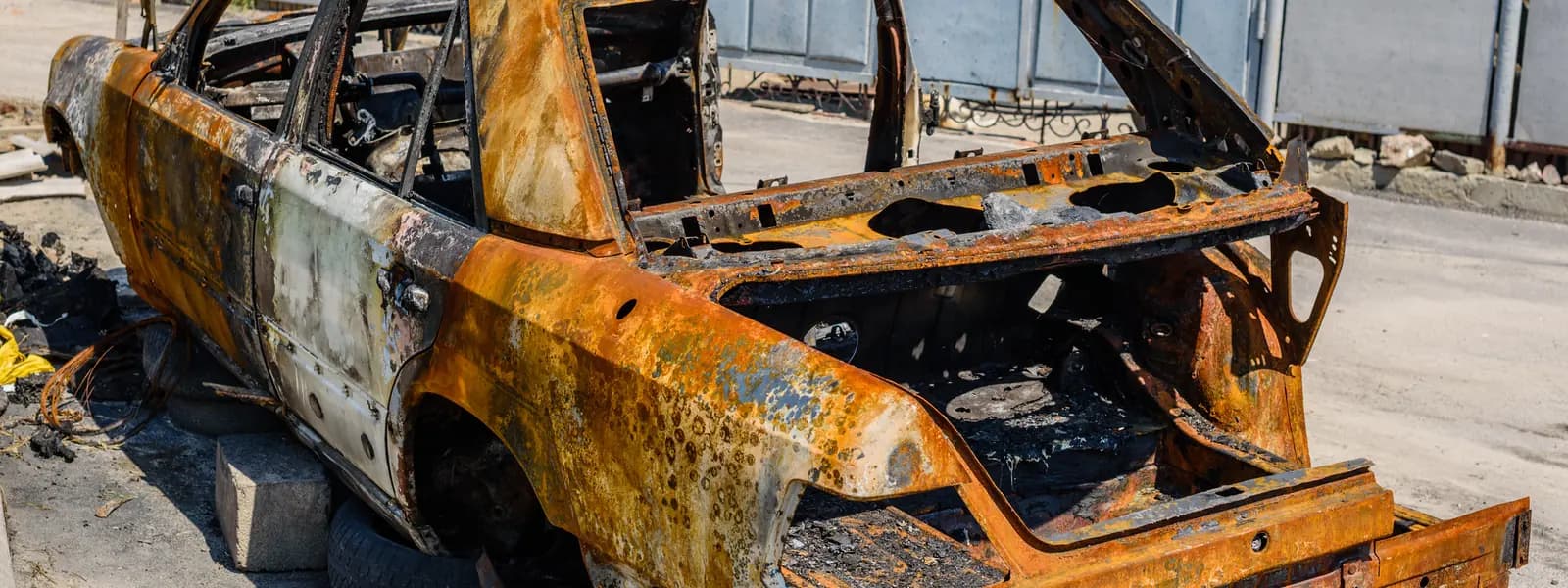
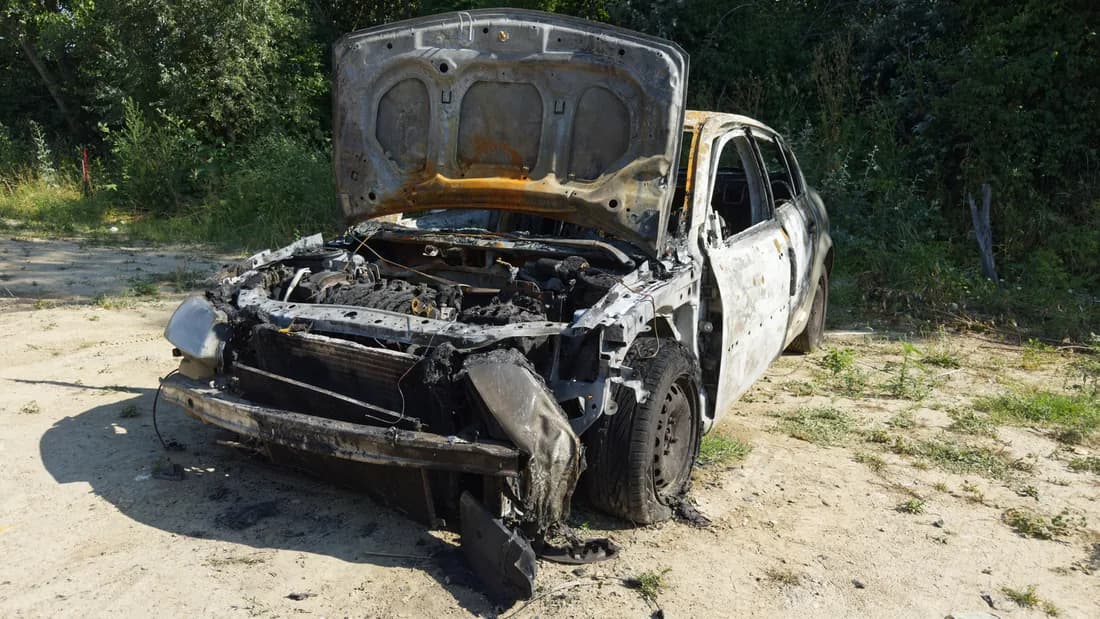
Nevada has no separate "fire title." A burned car falls under NRS 487.760, which defines a nonrepairable vehicle as one that has value only as parts or scrap metal, or one that has been "burned, destroyed or otherwise damaged" so badly it can't be returned to a condition that is legal on Nevada roads.
The DMV's salvage page says a nonrepairable vehicle "may not be restored to operating condition," and that there is no fee for a Non-Repairable certificate. A car with lighter fire damage, say a burned interior or an engine-bay fire that was put out quickly, may instead be a salvage vehicle under the 65% rule. It depends on the repair cost against the car's value before the fire.
Both are salvage vehicles, and that limits who can buy
NRS 487.770 defines a salvage vehicle as one that has at any time been declared a total loss, a flood-damaged vehicle, a nonrepairable vehicle, or had "salvage" or a similar word placed on any title.
That matters because the DMV's salvage page is blunt: "You cannot sell a salvage vehicle to a private person." You can sell it only to a licensed rebuilder, wrecker or dealer. A Facebook Marketplace sale of a flood car to a stranger is exactly what the rule stops.
What you have to tell the buyer
Under NRS 487.830, anyone who transfers a vehicle in Nevada must, before the transfer, disclose in writing what they know or reasonably should know about whether it is a salvage, rebuilt or reconstructed vehicle. A violation counts as obtaining property by false pretenses.
The DMV's salvage page lists what can follow:
- A civil lawsuit. The buyer can recover attorney fees and court costs, "the greater of $5,000 or triple the actual damages," and punitive damages.
- A felony if the vehicle is worth $250 or more and you wash the brand off a title or take a salvage car out of Nevada to sell it without a Nevada salvage title.
The DMV also keeps a separate flood-damaged vehicles page for buyers. It warns that flood cars are often "title washed" and shipped to other states, and tells buyers to look for a musty smell, damp or recently shampooed carpet, silt under the carpet, rust on unpainted screws and green corrosion on wiring. Buyers check for exactly these things, so being upfront is also the practical choice.
Insurance first, if you have it
If the car is insured, call your insurer before you sell anything. Flood and fire damage are usually handled under comprehensive coverage, so check your policy.
- If the insurer pays a total loss and takes the car, it isn't yours to sell, and the insurer applies for the salvage title.
- If you keep the car, the payout is reduced by its salvage value, and the DMV says the owner applies for the salvage title within 30 days on form VP 213.
Our totaled car guide has the full steps, including what a fair payout must include under Nevada's insurance rules.
If you sell a flood or fire damaged car to us
We buy flooded and burned cars across Las Vegas. Our quote asks "Has the vehicle ever been in a flood or fire?" and whether the title is clean or salvage, so the offer already accounts for both, and you're disclosing the damage in writing as part of the quote.
The tow is free and never comes off the price, you choose a pickup time from the windows offered when you accept, you are paid at pickup, and we handle the title transfer at no cost. We buy only cars you fully own, so any loan has to be paid off first.
After the sale, take your plates, cancel the registration and file the Vehicle Resale Notification. Our cash for junk cars Las Vegas quote takes about two minutes.
Common questions
- Can you sell a flood damaged car in Nevada?
- Yes, but the rules depend on its status. If it is a salvage vehicle, the Nevada DMV says you cannot sell it to a private person, only to a licensed rebuilder, wrecker or dealer. Either way, NRS 487.830 says you must disclose its salvage status to the buyer in writing before the sale.
- When does Nevada count a car as flood damaged?
- Under NRS 487.740, when it was submerged with the water higher than the door sill, the water got into the passenger, trunk or engine compartment, and it touched the electrical system. A car taken or kept as part of a total loss settlement for water damage also counts.
- Is it illegal to sell a flood damaged car?
- Selling one is not illegal. Hiding the damage is. Nevada requires written disclosure before the transfer, and a violation is treated as obtaining property by false pretenses. The DMV's salvage page adds that a buyer who sues can recover the greater of $5,000 or triple the actual damages, plus fees.
- What happens to a car that burned?
- Under NRS 487.760, a car burned or damaged so badly it can't be made legal for the road again is a nonrepairable vehicle. The DMV says it has value only as parts and scrap and may not be restored to operating condition. There is no fee for a Non-Repairable certificate.
- Do I need a salvage title before I sell a flood damaged car?
- If your insurer pays a total loss and takes the car, the insurer applies. If you keep a salvage car, the DMV says the owner applies for the salvage title within 30 days with form VP 213. Our totaled-car guide walks through those steps.
- Can I sell a flooded or burned car if it won't start?
- Yes. A car that doesn't start or roll is towed, not driven. Our quote asks whether the car has ever been in a flood or fire, and the offer accounts for it.
- Can I drive a car that has been flooded?
- It isn't safe to assume so. Water that reaches the electrical system is exactly what Nevada's definition is about, and the DMV's flood page lists corroded wiring and brittle connectors among the signs. Have it towed rather than started.